
Do Audiobooks Count as Reading? The Definitive Answer!

Disclosure: This post may include affiliate links. As an affiliate, I earn from qualifying purchases. See our Affiliate Disclosure.
Do Audiobooks Count as Reading? The Definitive Answer!
In today's fast-paced world, more people are turning to audiobooks. But, do audiobooks count as reading? Let's settle the debate, once and for all. (***There's a FREE Audiobooks Log/Tracker/Challenge at the bottom of this post.)

[adinserter block="1"]
Yes, the debate is on. Is using Audible to listen to books really reading?
In my opinion, that's a huge YES!
Especially since most of us are extremely busy women with tons of daily responsibilities.
If we can squeeze in 10 minutes of an audiobook, then yes, it counts.
Some argue that listening to books is just as valuable as reading them with your eyes. Others believe true reading only happens when you physically read words on a page.
But my own experience has shown me that audiobooks can offer a real reading experience.
In this post, we'll dive into the science behind reading and listening, the pros and cons of audiobooks versus print books, and ultimately, whether audiobooks should count as "real" reading.
What do you think? You already know my opinion. Let's GO!
What Does It Mean to Read?
Before we settle the debate on if audiobooks count as reading, let's break down what reading actually means.
According to the dictionary, reading is "the process of interpreting written symbols to understand their meaning." Traditionally, this means looking at words and processing them visually. However, comprehension, retention, and enjoyment are also key parts of the reading experience-things that both reading and listening can achieve.
The Science of Reading vs. Listening
The way our brain processes written text versus spoken words is different, but both engage our cognitive skills.
Here's how:
- When we read: Our eyes scan letters, our brain deciphers words, and we interpret meaning. This involves the visual cortex and parts of the brain responsible for decoding language.
- When we listen to audiobooks: Our ears pick up words, our brain processes the information, and we visualize the story. This engages the auditory cortex, but also activates the same language-processing regions of the brain as reading.
Studies show that comprehension levels can be very similar whether we read or listen, as long as we're paying attention.
The Benefits of Audiobooks
Audiobooks are rising in popularity because they offer unique advantages over traditional reading. Here are some of the biggest benefits:
1. Multitasking Made Easy
With audiobooks, you can "read" while:
- Driving
- Exercising
- Cooking
- Cleaning
- Commuting
This makes it easier to fit books into a busy lifestyle.
2. Improves Pronunciation and Language Skills
Hearing words spoken aloud helps with:
- Learning new vocabulary
- Understanding pronunciation
- Grasping the rhythm of language
This is especially useful for learning new languages or for kids developing literacy skills.
3. More Accessible for People with Disabilities
For people with dyslexia, vision impairments, or other reading challenges, audiobooks provide an alternative way to enjoy books without barriers.
4. Enhances Emotional Connection
Great narrators bring stories to life with:
- Tone and emotion
- Different voices for characters
- Expressive storytelling
This can make audiobooks even more immersive than print books.
5. Boosts Comprehension for Some People
Some learners absorb information better by listening rather than reading. For auditory learners, audiobooks can improve understanding and retention.

The Benefits of Traditional Reading
While audiobooks have advantages, print books still offer unique benefits:
1. Better for Deep Focus and Retention
Studies suggest that people tend to remember more details when they read physically, likely because:
- Reading is a slower process, allowing for deeper thinking
- There are no external distractions (like driving or walking)
2. Easier to Highlight and Take Notes
For students or professionals, physical books make it easier to:
- Highlight key points
- Write notes in margins
- Flip back for reference
3. Helps Build Stronger Reading Skills
For kids and young readers, following words on a page builds literacy skills, strengthens vocabulary, and improves spelling.
4. Provides a Break from Screens and Technology
In a digital world, printed books offer a refreshing escape from screens, reducing eye strain and improving sleep quality.

Do Audiobooks and Reading Activate the Same Brain Regions?
Neuroscientists have studied how our brains process written versus spoken words. Research shows that while there are some differences, both methods activate similar comprehension areas.However, when people physically read, they may engage more cognitive functions like:
- Visual processing
- Memory recall
- Critical thinking
But when listening to audiobooks, we may develop better listening skills, which can improve overall comprehension and communication.
So, while they are not identical, both methods are highly beneficial for learning and enjoyment.
Are There Situations Where Audiobooks Are Better Than Reading?
Yes! Audiobooks may be the better choice in certain situations, such as:
- Commuting & Traveling: Hands-free reading on the go.
- Tackling Dense Material: Complex books (like Shakespeare or philosophy) can be easier to digest with a skilled narrator.
- When Feeling Tired or Distracted: Sometimes, reading physical books requires more focus, while listening can feel effortless.
- For People with Disabilities: Audiobooks remove barriers for those with vision impairment or dyslexia.
Are There Situations Where Reading Is Better Than Audiobooks?
Yes! Traditional reading is the better choice when:
- You need to study or analyze a book. Taking notes and re-reading is easier.
- You want to improve spelling and vocabulary. Seeing words reinforces language skills.
- You prefer deep focus. Reading minimizes distractions and promotes active thinking.
- You enjoy the feeling of a book. Many people simply love the experience of turning pages!
The Verdict: Do Audiobooks Count as Reading?
Yes, audiobooks count as reading! They engage the brain, improve comprehension, and allow readers to enjoy books in a way that fits their lifestyle. While traditional reading has its own advantages, listening to audiobooks provides equal mental stimulation and learning opportunities.
Ultimately, the best way to read is the way that works for you. Whether you prefer physical books, eBooks, or audiobooks, the goal is to enjoy the story, learn something new, and grow as a reader.

Final Thoughts on Do Audiobooks Count as Reading?
If you love books, it doesn't matter how you consume them. Whether through reading or listening, what's important is engaging with great stories and ideas. Instead of debating which method is "better," let's celebrate that audiobooks make books more accessible and help more people fall in love with reading.
So, the next time someone asks, "Do audiobooks count as reading?" confidently say: YES, they do!
Frequently Asked Questions: Do Audiobooks Count as Reading?
Do audiobooks count as real reading?
What are the benefits of listening to audiobooks?
How do audiobooks compare to traditional reading in terms of comprehension and retention?
How can audiobooks enhance traditional reading skills?
When might traditional reading be preferable to audiobooks?
How can I combine audiobooks and traditional reading for maximum benefit?
What's Your Favorite Way to Read?
Do you prefer traditional books, audiobooks, or both?
And, do YOU think Audiobooks count as reading?
Let me know in the comments!
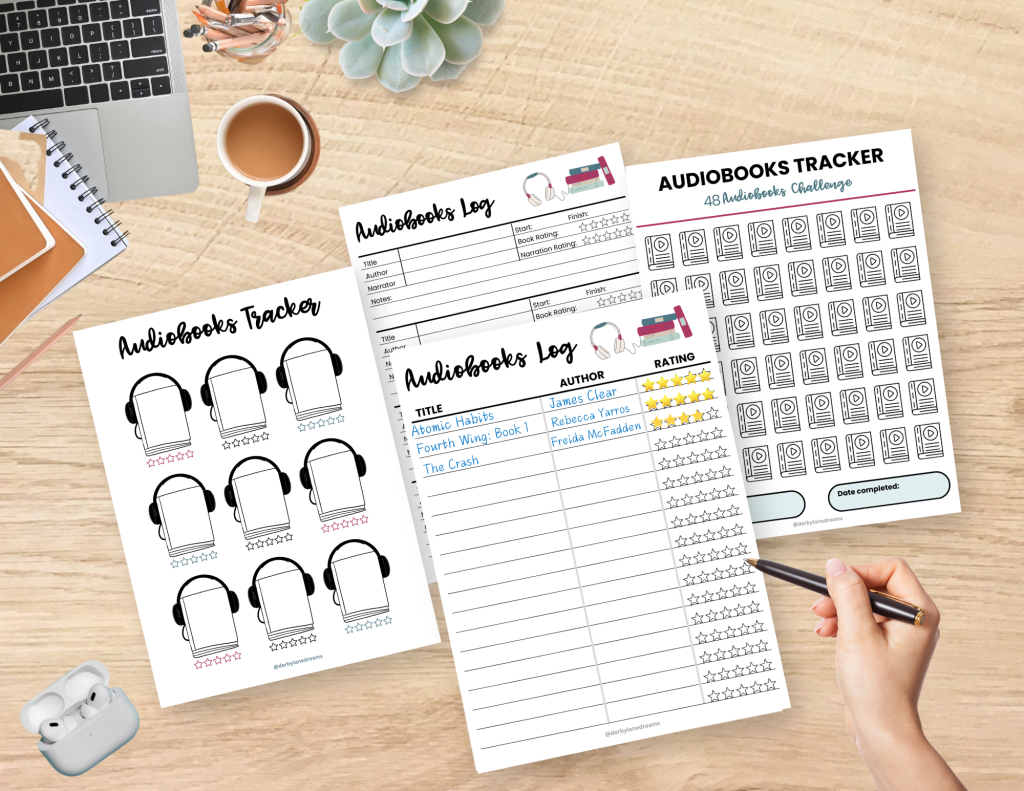
Audiobooks Log, Tracker, and Challenge
Hello bookish friends! Looking for a FREE copy of the Audiobooks Log, Tracker, and Challenge? Just add your email address below and it'll come right to your inbox!