How to Meal Plan: The Step-by-Step Beginner’s Guide for Busy Moms

Disclosure: This post may include affiliate links. As an affiliate, I earn from qualifying purchases. See our Affiliate Disclosure.
Understanding how to meal plan can transform your family's mealtime routine
You're a busy mom juggling work, family, and everything in between - and the last thing you want to deal with at 5:30 p.m. is the dreaded "What's for dinner?" panic. If you've ever felt overwhelmed by meal planning or assumed it had to be complicated and time-consuming, this post is for you. In this step-by-step beginner's guide, you'll learn a simple meal planning system designed to save you time, reduce stress, and help you get dinner on the table without burnout - even on your busiest weeknights.
Did you know the average American family throws away $1,800 a year on food they don't eat? That's over $150 a month wasted. It happens because they didn't plan their meals. I've been there too, feeling stressed and broke from all the takeout.
But here's the good news: learning how to meal plan changed everything for me, and it can for you too. Not the complicated, Instagram-perfect kind that requires specialty ingredients and hours of prep. I'm talking about real-life, messy-kitchen-friendly meal planning that works for busy moms just trying to feed their families without losing their minds.
Many families build their system around a simple weekly meal planning routine that takes less than 30 minutes. Once you understand how the system works, planning dinners becomes much easier and far less stressful. If you need meal ideas to plug into your plan, this list of easy weeknight dinners for busy moms is a great place to start.
In this step-by-step guide, I'll walk you through exactly how to create a meal planning system that actually sticks. One that saves you time, money, and that daily dose of dinner panic. No fancy equipment or cooking skills required - just practical strategies that fit into your already packed life. By mastering how to meal plan, you can eliminate the chaos of dinner prep.
Ready to make "what's for dinner?" the easiest question you'll answer all day? Let's dive in!

Jump to:
- Why Bother Learning How to Meal Plan?
- Start Where You Are: The No-Judgment Zone
- How to Meal Plan: The Simple 7-Step Meal Planning System
- How to Meal Plan: Shortcuts for Super Busy Weeks
- How to Meal Plan: Building Your Recipe Collection
- How to Meal Plan: Making it Work for Picky Eaters
- How to Meal Plan: Common Pitfalls and How to Avoid Them
- How to Meal Plan - Supply List: What You Actually Need
- How to Meal Plan: Adapting When Life Happens
- How to Meal Plan: Getting Started
- How to Meal Plan: Building Lasting Habits
- My Thoughts on How to Meal Plan: The Complete Step-by-Step System for Beginners
- Ready to Take Your Meal Planning Further?
- Special Situations: Meal Planning When Life Gets Extra
- Sustainable Meal Planning: Making It Last
- Technology and Tools to Make Meal Planning Easier
- Final Thoughts on Meal Planning: Grace Over Guilt
- Grab your Free Printable Weekly Dinner Plan Below
- FAQs: Frequently Asked Questions

Why Bother Learning How to Meal Plan?
Before we get into the how, let's talk about the why. When you're already juggling a million things, adding another task might seem chaotic. But trust me, meal planning is one of those rare things that actually gives you time back. Here's how:
- It saves money. No more impulse buys or wasted food in the back of the fridge. The average family saves $100-$200 monthly with consistent meal planning!
- It reduces stress. Eliminating that daily "what's for dinner" panic is worth its weight in gold.
- It helps you eat healthier. When you plan, you're less likely to grab fast food or processed options.
- It saves precious time. One focused planning session saves hours of daily decision-making and multiple store trips.
- It reduces food waste. When you buy with a plan, less food ends up in the trash.
For me, the biggest benefit was getting back those precious evening hours with my kids. Instead of frantically chopping vegetables while simultaneously helping with homework and breaking up sibling arguments, I could actually be present. That alone made it worth figuring out.
Start Where You Are: The No-Judgment Zone
First things first: this is a no-judgment zone. If your current dinner strategy involves a lot of takeout, frozen meals, or breakfast-for-dinner, that's completely okay! We're starting exactly where you are and making improvements one step at a time.
Meal planning isn't about becoming a gourmet chef or making everything from scratch. It's about creating a system that works for YOUR family, YOUR schedule, and YOUR cooking comfort level. For some families, flexible meal planning that works is better than rigid schedules.
Maybe you only cook two nights a week right now-perfect! We'll build from there. Or maybe you cook most nights but it's stressful and chaotic-we'll make it smoother. The goal isn't perfection; it's progress toward less stressful mealtimes.
How to Meal Plan: The Simple 7-Step Meal Planning System
Ready for the step-by-step process? I've broken it down into manageable chunks that you can implement immediately.
Step 1: Take Stock of What You Already Have
Before making any plans or shopping lists, let's see what you're working with:
This step alone can save you from buying duplicates or letting food go to waste. I once found three unopened jars of spaghetti sauce in my pantry after I'd just bought another one! Taking inventory helps prevent these costly mishaps. And, understanding how to meal plan is the first step toward a more organized kitchen.
Pro tip: Keep a magnetic notepad on your fridge where family members can write down when something runs out. This small habit saves so much mental energy!
Step 2: Check your Calendar
Pull out your calendar or open your phone app and look at the week ahead:
For busy nights, plan super simple meals or crockpot dishes. For nights with more breathing room, you might try something new or slightly more involved.
My family has soccer practice every Tuesday, so that's always our slow cooker night. Thursdays are more relaxed, so I might try a new recipe then. Being realistic about your schedule is crucial for meal planning success!
Step 3: Use a Weekly Theme Plan
Instead of starting from scratch each week, create a basic framework to guide your planning:
Sample Weekly Framework:
This framework isn't meant to be restrictive but rather to eliminate decision fatigue. You're not stuck with the same meals-just the same categories, which makes planning so much faster!
When my kids ask "What's for dinner?" they already know the general theme, which has cut complaints by at least 50%!
Step 4: Choose Your Meals and Create Your Plan
Now comes the fun part! Using your framework, inventory, and schedule awareness:
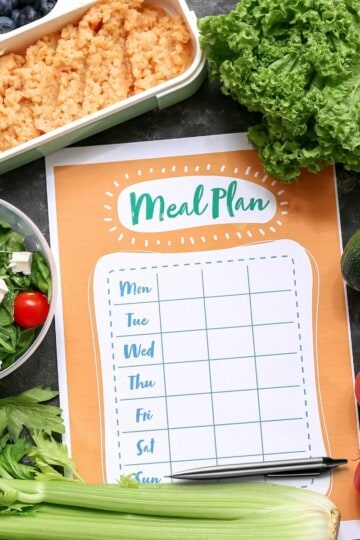
- Grab a simple template (paper or digital-whatever works for you)
- Fill in meals for each day, focusing first on dinners
- Keep it simple-aim for meals with few ingredients and minimal prep
- Include 1-2 "emergency backup" meals (freezer pizza, breakfast-for-dinner ingredients)
Don't forget to plan for using leftovers! That roast chicken on Sunday can become chicken salad sandwiches on Monday and chicken soup on Wednesday. Simple meals like easy potato salad, watermelon feta salad, or air fryer sweet potato fries can also help round out dinners without adding much extra work.
For breakfast and lunch, I recommend keeping it even simpler. Rotate through 3-4 breakfast options and either plan for leftovers or simple assembled lunches (sandwiches, salads, etc.).
My family's breakfast rotation is:
Remember: You don't need new, exciting meals every single night. Most families are perfectly happy with a rotation of 10-15 favorite meals! And, learning how to meal plan effectively can simplify your cooking process immensely!
Step 5: Build Your Grocery List
With your meal plan in hand, making your shopping list becomes much easier:
- Go through each meal and list required ingredients
- Cross-check with what you already have
- Organize your list by store section (produce, dairy, etc.)
- Add household essentials and staples that need replenishing
I keep a master template of common items we buy, organized by store section. Each week, I just check off what we need, then add the specific meal ingredients. This takes me about 10 minutes tops! So, once you know how to meal plan, grocery shopping becomes a breeze.
Shopping tip: If possible, shop without hungry children (or hungry yourself!). Studies show we spend 10-15% more when shopping while hungry. If kids must come along, try online ordering with pickup-it's saved my sanity many times!
Step 6: Prep Ahead Where You Can
Even 30 minutes of weekend prep can make weeknight meals significantly easier. If you're just getting started, this beginner-friendly meal prep guide walks you through exactly what to prep and when.
I'm not talking about spending your entire Sunday in the kitchen! Even just chopping onions and peppers for the week or making a big batch of rice can be game-changers on busy weeknights.
My favorite time-saving prep is making "meal starter kits"-putting all the ingredients for a specific meal in a container or bag, labeled and ready to cook. Tuesday's taco seasoning, diced onions, and peppers all go in one container, ready to just dump in the pan with ground beef.
Step 7: Implement, Evaluate, and Adjust
The first few weeks of any new system require some tweaking:
After dinner, take 30 seconds to jot down a quick note: "Family loved the enchiladas but need more next time" or "Instant pot chili took 15 min longer to prep than expected."
These tiny observations help you build a meal planning system perfectly tailored to YOUR family.

How to Meal Plan: Shortcuts for Super Busy Weeks
We all have those weeks when even simplified meal planning feels overwhelming. Here are 20 time-saving meal planning strategies that make busy weeks far more manageable. And, here are some legitimate shortcuts for survival mode:
The 3-3-1 Method
The Freezer Meal Stash
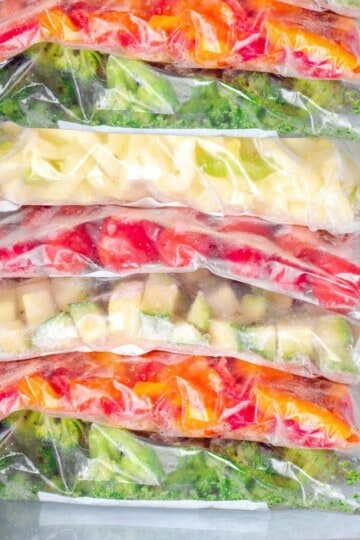
Always keep a few homemade or store-bought freezer meals for those nights when nothing goes as planned. Even having premade meatballs or cooked taco meat can be dinner-savers! If you're new to stocking your freezer, start with this simple guide to freezer meals for beginners.
Theme Night Rotation
Cereal Night, Sandwich Night, Breakfast-for-Dinner Night-all are perfectly acceptable dinner solutions, especially when paired with fruit or a simple vegetable. On especially hectic days, no-cook meal planning can be a lifesaver when you simply don't have time to turn on the stove.
The "One Base, Multiple Meals" Approach
Cook one versatile protein (like chicken breasts or ground beef) and use it in different ways throughout the week:
For example, a batch of shredded chicken can turn into Instant Pot chicken and rice, hearty chili, or creamy mac and cheese later in the week.
Remember: The goal is feeding your family and maintaining your sanity-not winning cooking competitions!
How to Meal Plan: Building Your Recipe Collection
Start small!
One common meal planning roadblock is feeling like you need dozens of recipes. You don't! Start with just 5-7 reliable meals your family enjoys. Some of our favorite beginner-friendly dinners include easy Instant Pot spaghetti, simple pasta salads, and one-pot comfort meals. Cozy meals like creamy pumpkin soup are also great to keep in your regular rotation for cooler months. And, simple meals like creamy Instant Pot mac and cheese make weekly planning much easier.
Criteria for good starter recipes:
Some universally family-friendly starter recipes:
As you get comfortable, gradually add one new recipe every week or two. Before you know it, you'll have a solid rotation of 15-20 family favorites.
How to Meal Plan: Making it Work for Picky Eaters
If "But my kids won't eat anything!" is running through your mind, I hear you. Picky eating can derail even the best meal plans. Some strategies that have worked for my formerly picky eaters:
The One-Bite Rule
Everyone tries one bite of everything-no negotiation-but they don't have to finish it if they truly don't like it.
Deconstructed Meals
Serve components separately for picky eaters. Taco night means seasoned meat, cheese, tortillas, and toppings all separate so kids can assemble what they like.
The Side Dish Safety Net
Always include one item you know each person will eat. For us, that's fruit and bread-always available alongside the main meal.
Involvement = Interest
Kids who help choose or prepare meals are significantly more likely to eat them. My pickiest eater transformed when I gave him a weekly "chef night" where he helps plan and cook dinner.
Two-Tier Meals
Make one basic meal that can be easily adapted. Plain pasta with butter for kids; the same pasta with spicy sauce and vegetables for adults.
Remember: Your job is to provide balanced meal options; their job is to decide what and how much to eat from what's offered.
How to Meal Plan: Common Pitfalls and How to Avoid Them
Even the best meal planners stumble sometimes. Here are the most common hiccups and how to handle them:
Overambitious Planning
Problem: Planning complex recipes every night, then feeling overwhelmed Solution: Follow the 80/20 rule-80% super simple meals, 20% more involved cooking
Forgetting to Account for Reality
Problem: Not considering after-school activities, late workdays, etc. Solution: Look at your actual calendar before planning; be realistic about preparation time
Going Too Strict
Problem: Creating a rigid plan with no flexibility Solution: Always include 1-2 backup meal options and be willing to shuffle days around
Not Getting Buy-In
Problem: Family complains about the meals or schedule Solution: Include everyone in some area of planning; have each family member choose one meal per week.
Trying to Be Instagram-Perfect
Problem: Setting unrealistic expectations based on social media meal planning. Solution: Focus on function over form; simple meals that work for YOUR family are perfect.

How to Meal Plan - Supply List: What You Actually Need
The good news? You don't need much to start meal planning effectively. Here's what's actually helpful:
The Essentials:
Nice-to-haves:
Don't waste money on:
Start with what you have, and only add tools if they solve a specific problem you're having. And, if you follow these steps on how to meal plan, you'll reduce waste significantly.
How to Meal Plan: Adapting When Life Happens
No matter how well you plan, life will occasionally throw curveballs. Here's how to roll with them:
The beauty of having a plan is that it gives you a framework to deviate from when necessary. You're not failing at meal planning if you make adjustments-that IS meal planning!
How to Meal Plan: Getting Started
Ready to dive in? Here's your step-by-step action plan:
- Set aside 30 minutes this weekend for your first planning session
- Make a list of 5-7 simple meals your family already enjoys
- Check your calendar for the week ahead and note busy days
- Assign your simple meals to specific days, matching complexity to your available time
- Make your shopping list based on these meals
- Do one small prep task ahead (like chopping vegetables or cooking rice)
- Put your plan somewhere visible to everyone
- Actually follow it! (But forgive yourself when real life intervenes)
Remember, perfect meal planning doesn't exist-successful meal planning does! Focus on progress, not perfection, and celebrate the wins (even small ones).
How to Meal Plan: Building Lasting Habits
To make meal planning stick long-term:

My Thoughts on How to Meal Plan: The Complete Step-by-Step System for Beginners
Meal planning isn't about achieving domestic perfection-it's about creating a little more peace in your daily life. It's about spending less time stressing over food and more time enjoying your family.
Start where you are, use what you have, and do what you can. Even the simplest meal plan will help reduce that 5:00 PM panic, save money on your grocery bill, and put slightly healthier food on your table.
Remember: Your family doesn't need gourmet meals every night. They need a mom who isn't stressed and frazzled at dinnertime. Meal planning helps give them that gift-and gives you back some precious time and mental energy.
Now that you know how to meal plan, it's time to get started with practical steps. So grab my free printable meal planner, jot down a few ideas, and take that first step.
Future you-especially 5:00 PM you-will be so grateful you did!
Ready to Take Your Meal Planning Further?
Once you've mastered the basics, here are some next-level strategies to make your meal planning even more effective:
Create a Digital Recipe Collection
Having quick access to your family favorites makes planning so much easier. You don't need anything fancy-just a simple system that works for you:
I keep a simple three-ring binder with printed copies of our top 20 recipes, plus a digital folder for everything else. When a new recipe is a hit, it gets added to the collection!
Batch Cooking: The Working Mom's Secret Weapon
Batch cooking doesn't mean spending your entire Sunday cooking (unless you want to!). Even small batch-cooking sessions can make weeknights so much easier:
My personal favorite is "one prep, many meals." For example, I'll chop all vegetables needed for the week at once. Those 20 minutes on Sunday save me at least an hour of weeknight prep time!
Smart Ways to Use Your Freezer
Your freezer can be your best friend when it comes to meal planning. Beyond just storing food, use it to:
When my kids were infants, I stashed homemade freezer burritos everywhere-they saved my sanity on countless occasions when I couldn't even think straight, let alone cook!
Meal Planning and Budgeting: Perfect Partners
One of the biggest benefits of meal planning is the money you'll save. If you need a practical example, this 7-day extreme budget meal plan shows exactly how to plan cheap, easy dinners for tight weeks. Take it to the next level with these budget-friendly strategies:
When we started meal planning seriously, our grocery bill dropped by nearly 30%-that's over $2,400 a year for our family of five! Strategic planning like this is exactly how busy moms save $200+ a month on groceries without clipping coupons.
Seasonal Meal Planning: Work With Nature, Not Against It
Planning seasonally not only saves money but also ensures better-tasting food:
I keep four simplified seasonal meal rotations. My summer meal plan includes lots of grilled foods and fresh salads, while winter features more soups, casseroles, and roasted vegetables.
Special Situations: Meal Planning When Life Gets Extra
Meal Planning for Super Busy Seasons
During sports seasons, exam periods, or holiday rushes:
- Simplify even further-think 5-ingredient meals maximum
- Embrace "assembly" rather than cooking (rotisserie chicken + bagged salad)
- Double-down on freezer meals and slow cooker recipes
- Schedule 1-2 "takeout nights" without guilt
- Lower your standards temporarily-paper plates are fine during busy times!
Last soccer season nearly broke me until I implemented "Sports Season Meal Rules": everything had to be prepped in advance, cook in under 15 minutes, or go in the slow cooker. Game changer!
Meal Planning During Major Life Changes
During pregnancy, postpartum periods, moving, or other big transitions:
After my third baby was born, we lived on freezer meals, friends' casseroles, and what I call "snack plate dinners" (cheese, crackers, fruit, veggies, deli meat) for weeks. Everyone survived and thrived!
Meal Planning for Special Diets
Managing food allergies, dietary restrictions, or picky preferences:
When my daughter had to go dairy-free temporarily, I'd make one casserole but leave cheese off half, adding a sprinkle of nutritional yeast to her portion instead. Simple adjustments make special diets manageable!
Sustainable Meal Planning: Making It Last
Finding Your Rhythm
Meal planning isn't one-size-fits-all. Find the rhythm that works for your family:
- Weekly Planning: Most common and most effective;
- Bi-Weekly Planning: Good for less frequent shoppers;
- Monthly Framework + Weekly Details: Month-long rotation but shop weekly;
- Seasonal Planning: Use the same meal rotation for 2-3 months.
I've tried them all and found that planning a framework monthly but filling in specifics weekly works best for our family. Experiment to find your sweet spot!
When Motivation Fades
Let's be real-even the best meal planners hit motivation slumps:
- Go back to basics with super simple meals
- Look for inspiration in new cookbooks or food blogs
- Try a meal kit service temporarily to reignite interest
- Join an online meal planning community for support
- Remember your "why"-the time, money, and stress you're saving
When I hit a meal planning rut last winter, I challenged myself to try one new simple recipe each week. Some were failures, but we found five new family favorites that are now in our regular rotation!
Teaching Kids to Meal Plan
One of the greatest gifts you can give your children is teaching them this essential life skill:
My 12-year-old can now plan, shop for, and prepare a simple family meal from start to finish. The pride on his face is worth every minute spent teaching him these skills!
Technology and Tools to Make Meal Planning Easier
If you're ready to embrace some tech solutions, consider these helpers:
Meal Planning Printables: I've got the perfect meal planner pages for you.
Recipe websites with planning features: AllRecipes and others let you save your faves
Google Calendar: Create a meal calendar you can access from anywhere
Worth Considering:
- Meal Planning Apps: Mealime and Paprika help organize recipes and create shopping lists
- Grocery Delivery Services: Instacart or local store delivery can save valuable shopping time
- Smart Home: Ask Alexa or Google to add frequently bought items to your shopping list
Once you have a plan in place, mixing in a few easy weeknight dinners for busy moms can make your routine even easier to follow.
Final Thoughts on Meal Planning: Grace Over Guilt
After years of meal planning for my family, here's the most important thing I've learned: the perfect meal plan doesn't exist, but the good-enough meal plan absolutely does.
Some weeks, you'll follow your plan perfectly. Other weeks, life will happen-kids get sick, work gets hectic, your energy tanks. When that happens, give yourself grace. Order the pizza without guilt. Use paper plates. Serve cereal for dinner.
Remember that meal planning is a tool to serve you and your family-not another standard to measure yourself against. The goal isn't Instagram-worthy meals every night. The goal is feeding your family while preserving your sanity and budget.
Start small, be consistent, adjust as needed, and celebrate the wins. That 5:00 PM panic will become a thing of the past, and you'll gain back precious time, money, and mental energy.
You've got this, mama! One meal plan at a time.
Grab your Free Printable Weekly Dinner Plan Below
Ready to get started? Simplify your weekly mealtime routine with this Weekly Dinner Plan for Busy Moms! It's designed to help you easily plan out a week of meals in less than 30 minutes.
Here's whats included:
✅ 5-Step Weekly Dinner Plan
✅ 200+ Meal Ideas
✅ Grocery List & Dinner Plan Template
✅ Simple Meal Prep Tips
✅ Flexible - for Real Life
Just fill in the form below to get your freebie!

This Meal Planner is perfect for streamlining your meal prep and staying organized all week long!
FAQs: Frequently Asked Questions
What is meal planning, and why should I do it?
How do I start meal planning if I've never done it before?
How many meals should I plan for each week?
Do I need to cook every day when meal planning?
What if I don't have time to cook every day?
How can I stick to my meal plan without getting bored?
How do I create a grocery list for my meal plan?
How can meal planning help me save money?
What if I have picky eaters in my family?
Can I meal plan on a tight budget?
How do I handle unexpected events that disrupt my meal plan?
More Meal Planning for Busy Moms
- The Busy Mom’s Weekly Meal Planning Routine (Simple Step-by-Step System)
- How Busy Moms Save $200+ a Month on Groceries Without Clipping Coupons
- Freezer Meals for Beginners: A Simple Guide to Make-Ahead Dinners, Safety Tips, and Storage Basics
- 7-Day Extreme Budget Meal Plan: Cheap and Easy Dinners for Tight Weeks