Flexible Meal Planning That Works: A Simple Guide for Busy Moms

Disclosure: This post may include affiliate links. As an affiliate, I earn from qualifying purchases. See our Affiliate Disclosure.
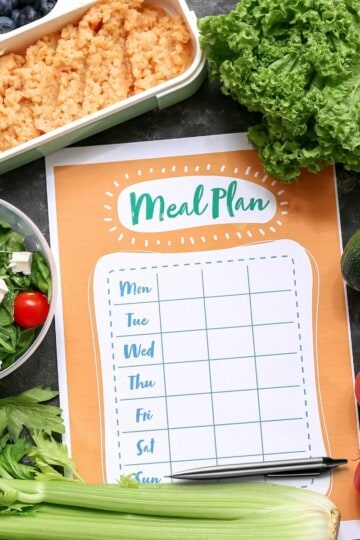
Flexible meal planning is the key to reducing mealtime stress, saving time, and feeding your family with ease-even on the busiest days. In this post, you'll learn how to build a simple, flexible meal plan that fits your real life.
Did you know the average mom spends more than 6 hours a week just figuring out what to feed her family? And that's before any actual cooking or cleanup happens. If you've ever opened the fridge at 5 p.m. with no plan and no energy, you're not alone. I've been there too-torn between wanting to serve healthy meals and not wanting to be locked into eating spaghetti just because it's written down for Wednesday. If you're brand new and want the full start-to-finish system first, start with my beginner meal planning system.
Flexible meal planning works best when it's part of a bigger system. If you're building a routine that actually fits your busy schedule, explore these meal planning strategies for busy moms to see how everything works together.
In this post, I'll show you how to create a flexible meal plan that works with your real schedule, supports your energy, and makes dinner time a whole lot easier. If you need simple meal ideas to plug into your plan, these easy weeknight dinners for busy moms will help you quickly turn your plan into real meals your family will love.
Jump to:
- The Flexible Meal Planning Framework for Busy Moms
- Making Flexible Meal Planning Work Every Day
- Why Flexible Meal Planning Works for Real Life
- Start Simple with Flexible Meal Planning
- Final Thoughts on Flexible Meal Planning That Works
- Grab your Free Printable Weekly Dinner Plan Below
- Flexible Meal Planning FAQs
The Flexible Meal Planning Framework for Busy Moms
Meal planning doesn't have to be rigid to be effective. Flexible meal planning gives you the structure you need to save time and reduce stress-without feeling boxed in by a strict schedule. Here's a step-by-step system to create a plan that bends with your busy mom life (instead of breaking!).
Step 1: Build a Flexible Meal Pool
Instead of assigning meals to exact days, create a meal pool-a mix of 5 to 7 dinners you want to make that week using overlapping ingredients. This works even better when you're pulling from a small rotation-here's how to build a recipe collection for meal planning without getting overwhelmed.
Tips for building your meal pool:
**Example meal pool: **
Roast chicken with vegetables
Pasta with tomato sauce and a salad
Bean and cheese quesadillas
Stir-fry with rice
Breakfast for dinner (eggs, toast, fruit)
These meals complement each other and satisfy different moods, making meal planning easier. And if your goal is to cut waste and spending, these tips to save money on groceries pair perfectly with a meal pool.
Simple meals like pasta salad or easy dinners like Instant Pot chicken and rice work really well in a flexible meal pool because they can be used in multiple ways throughout the week.
Step 2: Identify Your Fixed Points
Even the most flexible plan needs some structure. Pinpoint your non-negotiables-like nights when dinner must be fast or family traditions that stay consistent.
Ask yourself:
Jot these down first, then let the rest of the week stay open to pull from your meal pool.
Step 3: Prep Versatile Meal Components
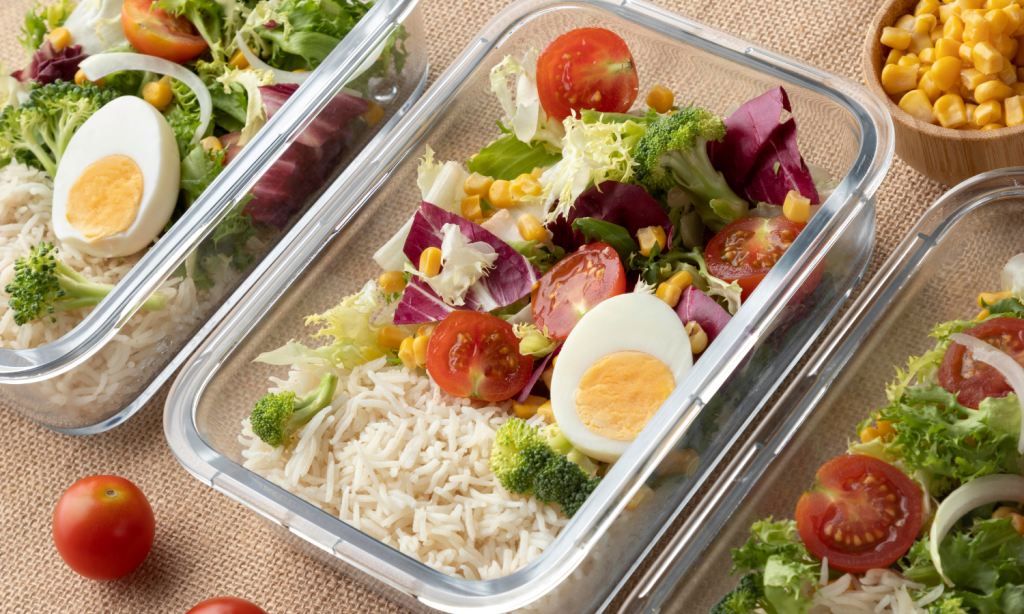
Flexible meal planning works best when you prep meal parts instead of full recipes (here's my beginner-friendly meal prep guide if you want a simple plan). This gives you options when plans or cravings shift.
Prep ideas:
- Proteins (grilled chicken, beans, ground beef)
- Chopped veggies
- Cooked grains (rice, quinoa)
- Dressings, sauces, dips
These basics can become tacos, grain bowls, salads, pasta dishes-whatever suits your mood. They can also be turned into quick meals like Cuban sandwiches or simple sides like potato salad depending on what you need that day.
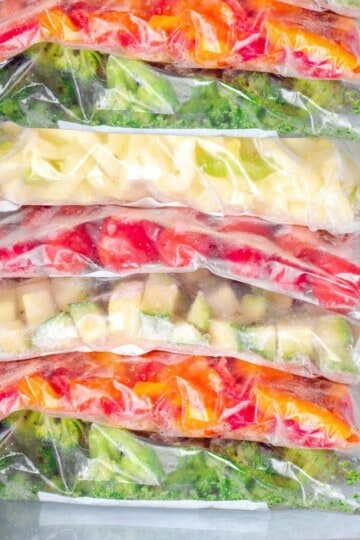
If you like prepping once and using it all week, you'll also love starting a small freezer meal stash for those hectic nights.
Step 4: Always Have a Backup Meal
Think of this as your dinner safety net: a meal made from pantry staples that's quick, kid-approved, and stress-free.
Great backup meals:
- Pasta with garlic and olive oil
- Breakfast for dinner
- Bean quesadillas
- Stir-fry with leftovers
This saves your sanity when the day goes off track (which it will!). Quick meals like Instant Pot mac and cheese or Instant Pot spaghetti are perfect to keep on hand for nights like this.
Backup meals are also the backbone of no-cook meal assembly-perfect for days you can't even think about turning on the stove.
Step 5: Use a 3-Day Mini Meal Plan
Rather than mapping out the whole week, plan in 3-day chunks. This gives you structure without locking you in too far ahead. If your week feels like pure chaos, these Smart Meal Planning Shortcuts will help you plan faster and cook with less stress.
How it works:
- Sunday: Plan meals for Mon-Wed
- Wednesday: Plan meals for Thu-Sat
- Sunday: Start again
A midweek grocery top-up keeps things fresh, and your meals stay aligned with your energy and schedule.
Step 6: Use Theme Nights with Flexibility
Theme nights add rhythm to your week while still keeping dinner flexible.
Try these ideas:
- Meatless Monday (pick your fave meat-free recipe)
- Pasta Night (any pasta dish that sounds good)
- Bowl Night (grain or salad bowls)
- Breakfast for Dinner (always a hit!)
Themes give direction without limiting creativity. Also, theme nights are one of my favorite ways to reduce decision fatigue-my full meal planning system for beginners shows how to set them up in a way you'll actually stick with.
On "Pasta Night," try something easy like Instant Pot spaghetti, and on "Bowl Night," a hearty option like Instant Pot chicken and rice works great.
On cooler nights, simple soups like creamy pumpkin soup are another easy option to include in your weekly rotation.
Step 7: Add a Choose-Your-Own-Adventure Night
Plan for one night each week to be totally unstructured. Think of it as your "fun money" for dinner.
Ideas:
- Try a new recipe
- Eat out or order in
- Use up leftovers
- Cook from what's already in the fridge
This is also a great time to use up ingredients in simple sides like air fryer sweet potato fries. This gives your plan breathing room and keeps things exciting.
Making Flexible Meal Planning Work Every Day
Morning Check-In Strategy
Each morning, spend 30 seconds asking:
- What sounds good today?
- How much energy do I have for cooking?
- Has the schedule changed?
Choose from your meal pool accordingly and defrost or prep what's needed early in the day. Low-energy days are when tools like the Instant Pot shine-here's the Ultimate Instant Pot guide for busy moms if you're not sure where to start.
Keep a Visible Meal Components List
Post a list of prepped items on the fridge to remind you (and your family) what's ready to go:
Proteins:
- Shredded rotisserie chicken
- Cooked black beans
- Hard-boiled eggs
Veggies/Fruits:
- Washed salad greens
- Chopped bell peppers
- Sliced cucumbers
Grains/Starches:
- Cooked brown rice
- Baked potatoes
- Tortillas
Extras:
- Salad dressing
- Shredded cheese
- Salsa
Use the Meal Shuffle Strategy
When plans change, don't panic-just reshuffle:
- Can the planned meal move to another day?
- Can you simplify it?
- Is it a good night to use your backup meal?
The best part? No guilt. Flexibility is the plan!
Why Flexible Meal Planning Works for Real Life
This method works because it:
- Adapts to mood, time, and energy
- Minimizes waste
- Reduces the daily dinner decision fatigue
- Avoids rigid plans that feel like chores
- Gives you a realistic and repeatable system
Since adopting flexible meal planning, I've saved time, money, and stress-and actually enjoy making dinner again.
Start Simple with Flexible Meal Planning
Getting started is easy. For your first flexible meal plan:
- Choose 3-4 dinners for your meal pool
- Identify any fixed points in your week
- Prep a few ingredients or meal components
- Pick a go-to backup meal
- Check in each morning to decide what's for dinner
Once that feels good, extend it to a full week. You'll find that flexible meal planning brings ease, freedom, and even joy back into dinnertime.
Related Meal Planning Resources for Busy Moms
- How to Meal Plan
- No Cook Meal Planning
- Meal Prep 101
- Freezer Meals for Beginners
- Extreme Budget Meal Plan
Final Thoughts on Flexible Meal Planning That Works
With flexible meal planning, you're no longer stuck choosing between structure and spontaneity-you get the best of both! This system is designed to grow with your family, your schedule, and your cravings. By prepping smart, planning in small chunks, and giving yourself grace (and a backup meal!), you'll reduce stress and actually look forward to dinnertime again. So go ahead, give yourself permission to ditch the rigid schedule and embrace a more doable, mom-friendly way to get dinner on the table.
You've got this!
Grab your Free Printable Weekly Dinner Plan Below
Ready to get started? Simplify your weekly mealtime routine with this Weekly Dinner Plan for Busy Moms! It's designed to help you easily plan out a week of meals in less than 30 minutes.
Here's whats included:
✅ 5-Step Weekly Dinner Plan
✅ 200+ Meal Ideas
✅ Grocery List & Dinner Plan Template
✅ Simple Meal Prep Tips
✅ Flexible - for Real Life
Just fill in the form below to get your freebie!

This Meal Planner is perfect for streamlining your meal prep and staying organized all week long!
Flexible Meal Planning FAQs
How can I create a meal plan that adapts to my unpredictable schedule?
What are some quick meal prep strategies for busy moms?
How can I involve my kids in meal planning and preparation?
What are some effective ways to handle picky eaters in the family?
What are theme nights, and how can they simplify meal planning?
How can I make the most of leftovers to save time and reduce waste?
How can freezer meals help in managing busy weeknights?
What are some strategies for building a rotating meal plan?
More Meal Planning for Busy Moms
- The Busy Mom’s Weekly Meal Planning Routine (Simple Step-by-Step System)
- How Busy Moms Save $200+ a Month on Groceries Without Clipping Coupons
- Freezer Meals for Beginners: A Simple Guide to Make-Ahead Dinners, Safety Tips, and Storage Basics
- 7-Day Extreme Budget Meal Plan: Cheap and Easy Dinners for Tight Weeks