How Busy Moms Save $200+ a Month on Groceries Without Clipping Coupons

Disclosure: This post may include affiliate links. As an affiliate, I earn from qualifying purchases. See our Affiliate Disclosure.
You open the fridge and stare into it, wondering how you spent so much at the store, and still don't have a plan for dinner.
If your grocery budget keeps slipping out of control no matter how careful you are, you are not alone. I'm a busy mom who has spent over 30 years feeding a family on a budget that has seen job changes, growth spurts, and price hikes.
Saving money at the store gets much easier when you use a simple weekly meal planning routine. If you want to see how grocery savings fit into a bigger routine, explore this guide to meal planning for busy moms.
This post shares exactly how I save more than two hundred dollars a month on food, without clipping a single coupon. No bulk warehouses. No fancy meal kits. Just real systems I've used for years that actually work. When I need quick ideas to fill in my weekly plan, I also lean on these easy weeknight dinners for busy moms to keep meals simple and affordable.
From checking your fridge before you plan a single meal to the produce-washing method that keeps my berries fresh all week, these tips are practical and repeatable. If you are tired of wasted food, impulse takeout, and shopping without a plan, this is where you take back control. And if you want a simple framework that makes these savings automatic, start with my step-by-step meal planning guide for beginners.

Jump to:
- 1) Use What You Already Have
- 2) Stick to a Grocery List Every Time
- 3) Let Sales Guide Your Meal Plan
- 4) Make Meal Prep Easy With the Right Tools
- 5) Use a Simple Meal Planning System That Works
- 6) Clean Out the Fridge Before You Shop
- 7) Wash and Store Produce the Right Way
- Bonus Tips for Busy Weeks
- Take Control of Your Grocery Budget Today
- Grab your Free Printable Weekly Dinner Plan Below
- People Also Ask FAQs
1) Use What You Already Have
Before you even think about going to the store, take five minutes to check what is already in your kitchen. Look in your fridge, freezer, and pantry. What is close to going bad? What needs to be used first?
I started doing this years ago, and it changed everything. One week, I planned all our meals around a few sweet potatoes, half a bag of frozen peas, and some leftover chicken. I spent less than fifty dollars that week, and my family was full and happy.
This simple step helps you cut your grocery bill fast. You are not buying things you already have. You are also less likely to let food go to waste. It is one of the easiest ways to reduce food waste and start budget meal planning without stress.
Make a list of what needs to be used up, and build your weekly meals around that. You will be surprised by how much you already have at home. It also helps you stop overspending at the store because you know what you actually need.

2) Stick to a Grocery List Every Time
Going into the store without a list is one of the fastest ways to overspend. I learned this the hard way. I once ran in to get milk and came out with snacks, cookies, a rotisserie chicken, and a few frozen dinners. My total spent was over eighty dollars. And guess what? I still forgot the milk.
If you want to master grocery shopping on a budget, always go in with a plan. Write your list before you shop and sort it by section. Put fruits and vegetables together, frozen foods in their own spot, and group dairy and meats. This makes it easier to move through the store quickly and avoid extra items.
When you use a list, you are less likely to grab things you do not need. This is one of the best ways to stop overspending at the store. You save time, you save money, and you skip the stress.
If you know that stores are full of temptations, try using grocery pickup instead. When you order online, you only buy what is on your list. It keeps your budget safe and your mind clear.
3) Let Sales Guide Your Meal Plan
Planning meals before checking the weekly sales is like guessing what is on sale and hoping you are right. I used to plan dinners based on what sounded good. Then I would walk into the store and find out none of those ingredients were on sale. That meant a bigger bill every time.
Now I check my local store ads before I plan a single meal. If chicken is on sale, I plan two or three meals with chicken. If ground beef is marked down, it becomes taco night, Instant Pot spaghetti, and homemade chili.
These weekly meal planning tips help you build your meals around what costs less. You are not only saving money, but you are also making smart choices that stretch your budget further.
This is one of the easiest ways to find budget meal ideas your family will actually eat. It also helps you cut your grocery bill without cutting flavor or nutrition. Simple meals like Instant Pot chicken and rice are also easy to build into a budget-friendly weekly plan.
💡 Want a simple way to plan meals around sales and what you already have? Grab my free Weekly Dinner Plan with 200+ meal ideas and a printable grocery list. It's at the bottom of this post!
4) Make Meal Prep Easy With the Right Tools
Meal prep does not need to take hours. If you're new to prepping ahead, this beginner-friendly meal prep guide will walk you through it. Also, it does not need fancy gadgets. I used to believe I had to make every meal from scratch or prep all seven dinners at once. That left me tired and stressed before the week even started.
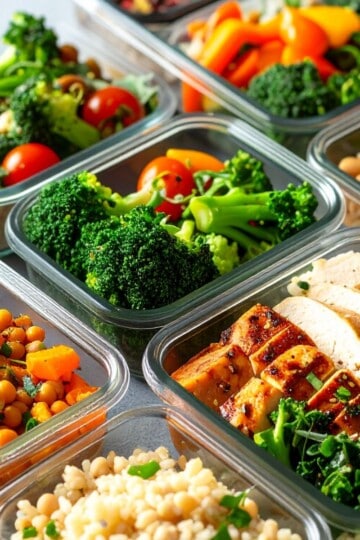
Now I spend about one to two hours on Sundays doing simple prep. I chop veggies, portion snacks, and get a few meals started. It makes the week easier and keeps me from reaching for takeout when things get busy.
The right meal prep tools can make a big difference. A few good containers, a sharp knife, and a solid cutting board are enough to begin. Start with a few kitchen essentials and add in a few more when they go on sale during Prime days. I ask my parents and family members for bigger kitchen tools at Christmas and for birthdays, like my Instant Pot (here's my full Instant Pot 101 guide for busy moms if you're considering one), Ninja Creami, Slow Cooker, KitchenAid Bowl Lift Stand Mixer, etc. : )
Meal prep for busy moms should be simple and flexible. Use the time you have, prep what you can, and make it work for your real life. This is one of the best ways to save money on food without coupons and feel more in control of your week.

5) Use a Simple Meal Planning System That Works
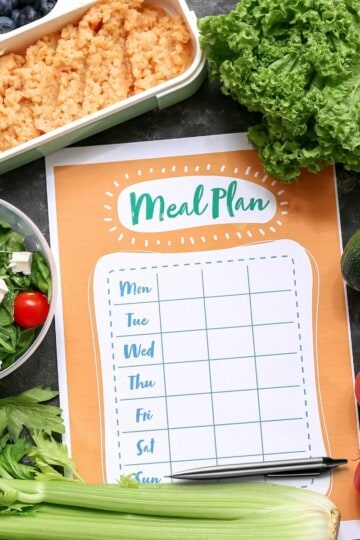
You do not need a color-coded calendar or fancy app to make a meal plan that saves money. I have been doing this for years with just a notebook, a blank meal plan, and a few simple rules.
Every week, I sit down for about 15 minutes and follow the same process. I write out one breakfast and one lunch for myself, plus dinners for the whole family. I also choose a few snacks we can grab and go. That is it. No extra stress, and no pressure to cook something different every day.
This kind of budget meal planning keeps us from wasting food or running to the store again midweek. It helps you cut your grocery bill without giving up flexibility.
Here is the simple formula I use:
- One breakfast for the week
- One lunch for the week
- Two snack options
- Dinners for each night
- One "Clean Out the Fridge" night to use leftovers
This system helps you take control of your meals and your money. You will stop guessing what is for dinner and start seeing how easy it is to save money on groceries with a plan that fits your life. If you need a clear starting point, here's my full weekly meal planning system for busy moms that walks you through it step by step.
6) Clean Out the Fridge Before You Shop
Before you head to the store, take ten minutes to clean out your fridge. It might not be fun, but it will save you money.
You cannot organize what you cannot see. I have found everything from moldy strawberries to unopened yogurt hidden behind last week's leftovers. That is wasted food and wasted money. Now, I always start the week by tossing anything old, wiping down shelves, and seeing what needs to be used up first.
This one habit helps you reduce food waste and gives you a fresh start. You will spot the ingredients you forgot you had and make smarter choices while planning.
I also do a quick clean-out again midweek, right before "use it up" night. Leftover roasted veggies? They go into omelets. Half a bag of spinach? Perfect for pasta. Extra cooked potatoes or chopped vegetables can also turn into easy sides like potato salad or air fryer sweet potato fries later in the week. This is what budget meal planning looks like in real life.
When you clean out your fridge regularly, you cut your grocery bill without clipping a single coupon. You waste less, plan better, and feel more in control.
7) Wash and Store Produce the Right Way
One of the easiest ways to save money on food without coupons is to make your produce last longer. If you bring home fresh fruits and vegetables but never wash or store them correctly, they go bad fast - and your money goes with them.
As soon as I come home from the grocery store, I wash all my produce right away. While I put away everything else, my fruits and veggies soak in a vinegar solution that helps remove bacteria, wax, soil, and agricultural residues. Then I rinse them under cold water and let them dry on clean towels.
Here is my 'Wash and Store' process:
- First, wash your hands with soap and water for 20 seconds; dry hands
- Next, get out a large, clean bowl
- Add 2 tablespoons of apple cider vinegar to 8 cups of cool water
- Or, add 1 cup of white vinegar to 3 cups of cool water
- For thin-skinned fruits, stir them around in the vinegar solution for 2-3 minutes
- Then, rinse with cool water for at least a minute.
Once your produce is clean and dry, I store them with clean paper towels to absorb extra moisture. For berries, I use an airtight container with a towel underneath and on top. For carrots, I keep them in a bag with a dry paper towel. These little tricks help reduce food waste every single week.
Note: They do make cleaning solutions especially for your fruits and veggies, but either of the above does a good job. And, you will save more money using these homemade solutions rather than unnecessary spending on a prepared product.
This habit has saved me hundreds of dollars over the years. When your produce is clean, dry, and easy to grab, you are more likely to eat it - and much less likely to throw it out. That is smart grocery shopping on a budget.

Bonus Tips for Busy Weeks
Some weeks are just harder than others. On extra hectic weeks, rotating in a few no-cook meal planning options keeps your grocery budget intact. Schedules get tight, energy runs low, and cooking feels impossible. When that happens, here are a few tricks I use to stay on track without falling back into expensive habits.
Prep Grab-and-Go Snacks
While you are already in the kitchen, wash and portion out a few snacks. Cut veggies, portion nuts, or scoop hummus into small containers. Having healthy budget snacks ready means you are less likely to reach for packaged food that costs more.
Keep a Backup Meal on Hand
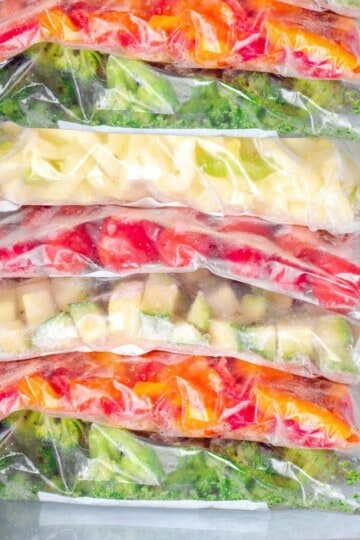
I always keep a few freezer meals for busy weeks ready to go for the nights everything falls apart. A quick batch of Instant Pot chicken and rice or easy Instant Pot mac and cheese can also save the night. Having a backup meal idea means you can avoid takeout and still feed your family fast.
Use Theme Nights to Make Planning Easier
Pick simple themes for each day of the week. Try Meatless Monday, Taco Tuesday, or Leftover Friday. This kind of easy meal prep shortcut helps reduce decision fatigue and saves you time and money. This works especially well inside a flexible meal planning routine where you can shift meals based on sales or energy.
Give Yourself Grace
Not every plan will go perfectly. Some produce will still go bad, and some meals will flop. That is okay. Every week is a chance to adjust, improve, and try again.
Related Meal Planning Resources
20 Time-Saving Meal Planning Tips
Take Control of Your Grocery Budget Today
Saving money on groceries does not have to feel hard or overwhelming. With the right habits, simple prep, and a plan that fits your life, you can cut costs, reduce waste, and finally feel in control of your meals again.
I have used these tips for years to save over $200 a month on food - and I know they can work for you too. Whether you are just starting to meal plan or looking to fine-tune your system, it all starts with a clear plan.
Grab your Free Printable Weekly Dinner Plan Below
Ready to get started? Simplify your weekly mealtime routine with this Weekly Dinner Plan for Busy Moms! It's designed to help you easily plan out a week of meals in less than 30 minutes.
Here's whats included:
✅ 5-Step Weekly Dinner Plan
✅ 200+ Meal Ideas
✅ Grocery List & Dinner Plan Template
✅ Simple Meal Prep Tips
✅ Flexible - for Real Life
Just fill in the form below to get your freebie!

This meal planner bundle is perfect for streamlining your meal prep and staying organized all week long!
People Also Ask FAQs
You can save money on groceries without coupons by shopping for foods that are in season and buying fewer pre packaged items. Fresh produce and basic ingredients usually cost less and last longer when used correctly. It also helps to use store rewards programs, shop fewer times each week, and focus on using up the food you already have at home. Reducing food waste is one of the fastest ways to stretch your grocery budget. Saving money on groceries does not require clipping coupons or chasing sales. Simple habits make the biggest difference.
The 5 4 3 2 1 grocery rule is a simple way to shop for balanced meals without overthinking.
You buy:
5 vegetables
4 fruits
3 protein sources
2 starches or carbs
1 treat
This method helps reduce stress at the store and lowers food waste because you are buying a mix of foods that work together. It also makes meal planning easier while keeping your grocery spending under control.
Living on 200 dollars a month for food is possible for one person, but it takes careful planning. Most meals need to be cooked at home using simple and affordable foods like rice, beans, eggs, potatoes, and frozen vegetables. It is a tight budget and not very flexible. Many people also limit meat, avoid convenience foods, and meal prep to make it work. While it can be done, it is not realistic or comfortable for most families.
A realistic low grocery budget for one adult is around 250 dollars per month. This is based on the USDA thrifty meal plan and assumes most meals are cooked at home. For families, the amount will be higher depending on the number of people, ages of children, and dietary needs. The goal is not to spend as little as possible, but to find a budget that is affordable and sustainable long term.