Instant Pot 101: The Busy Mom’s Guide to Easy, Fast, and Healthy Meals

Disclosure: This post may include affiliate links. As an affiliate, I earn from qualifying purchases. See our Affiliate Disclosure.
This helpful Instant Pot 101 guide explains exactly what an Instant Pot does and how it can simplify mealtime.
Jump to:
- What does an Instant Pot actually do?
- What are the benefits of using an Instant Pot?
- Are there disadvantages to using an Instant Pot?
- How does an Instant Pot help busy moms?
- How does the Instant Pot help with meal prep and batch cooking?
- When is an Instant Pot better than a slow cooker?
- How is an Instant Pot different from a regular pressure cooker?
- How is an Instant Pot different from air frying?
- Is the Instant Pot dangerous?
- Is it safe to leave the house while the Instant Pot is plugged in and cooking?
- How long will an Instant Pot last?
- How much liquid do you need when you use an Instant Pot?
- What is the Instant Pot cooking process from start to finish?
- What's the best way to clean an Instant Pot?
- Final Thoughts on Instant Pot 101
- Grab your Free Printable Weekly Dinner Plan Below
Hey friend-if you're juggling kids, work, laundry, and wondering what's for dinner at 5:30 pm (same!), the Instant Pot can be a true weeknight helper. When paired with a simple weekly meal planning system, it becomes one of the most powerful tools in your kitchen.
Think of it as one pot that can pressure cook, slow cook, sauté, steam, make rice, and more. It won't do the dishes for you (sigh), but it can get dinner on the table fast with less mess.
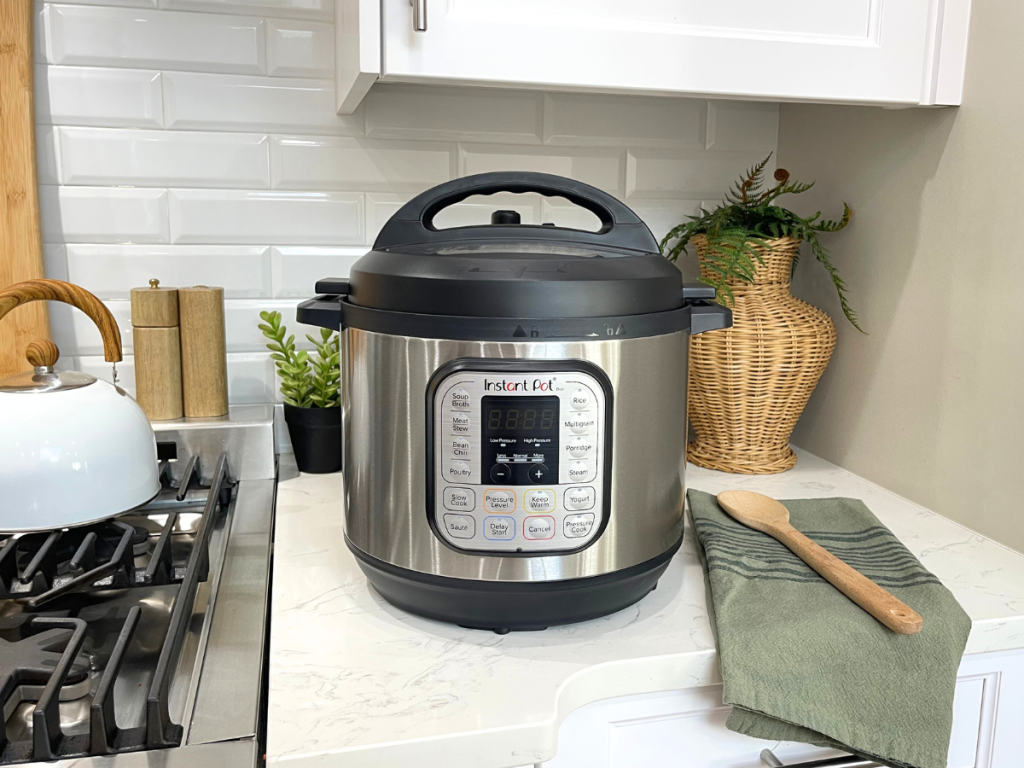
Instant Pots come in many different sizes. I prefer the larger ones (my 8 quart in the photo above), as they are perfect for feeding big families, meal prep, batch cooking, family reunions, and weekly church dinners (potlucks are the best!). No matter which Instant Pot size you choose, the core functions are the same. Simply pick the size that works best for your family's needs.
Below, I'll walk you through what an Instant Pot actually does, how it compares to slow cookers, regular pressure cookers, and air fryers, the real pros and cons, how much liquid you really need, and smart tips to make it work for your family.
Let's jump right in!

What does an Instant Pot actually do?
An Instant Pot is a multi-cooker. In one countertop pot, you can:
- Pressure cook (the big time-saver)
- Slow cook
- Sauté (brown onions or meat right in the pot)
- Steam
- Cook rice/porridge
- Make yogurt
- Keep food warm
So, it's a pot with a smart lid. When you pressure cook, the lid locks and traps steam. That steam raises the temperature so food cooks much faster than on the stove or in a slow cooker.
What are the benefits of using an Instant Pot?
- Faster Meals. Pressure cooking gets big cuts of meat tender and beans done quickly-great on busy nights.
- Hands-off cooking. Once it comes to pressure, you don't stir much. It beeps when done.
- One-pot cleanup. Sauté, cook, and keep warm in the same insert.
- Batch cooking. Make rice, shredded chicken, beans, or soup for the week.
- Consistent results. Built-in sensors help hold temperature and pressure.
- Versatility in a small space. One machine replaces several (pressure cooker, rice cooker, steamer, and slow cooker).
These are all great benefits, especially when you're combining it with a plan to save money on groceries each week. Also, if you're stretching your grocery budget, pairing this with an extreme budget meal plan makes a big difference.
Are there disadvantages to using an Instant Pot?
- Learning curve. There are new words-"sealing," "natural release," "quick release," "burn message." It gets easier with practice, but at first it can feel like a lot. And on weeks when you just don't want to cook at all, having a no-cook meal planning backup keeps dinner stress low.
- Size and storage. It's a bulky appliance. You'll need counter or cabinet space.
- No peeking. You can't lift the lid mid-cook the way you might on the stove.
- Browning isn't oven-level. It browns, but not like a hot oven or skillet.
How does an Instant Pot help busy moms?
- Saves time: Meals that usually take hours can be ready in under an hour.
- One-pot cooking: Sauté, cook, and keep food warm all in the same pot-fewer dishes to wash.
- Cook from frozen: No stress if you forget to thaw the meat.
- Hands-off meals: Once it starts cooking, you can step away to help with homework, chores, or just take a break.
- Family-friendly dinners: Quick soups, shredded chicken, rice, or pasta are all kid-approved and simple.
The Instant Pot gives moms a little breathing room at dinnertime, making busy evenings feel less overwhelming. It fits beautifully inside a flexible meal planning routine, because you can swap proteins and grains depending on your week.
Try starting with:
- Instant Pot chicken and rice
- Instant Pot spaghetti
- Best Instant Pot chili
- Easy Instant Pot macaroni and cheese
How does the Instant Pot help with meal prep and batch cooking?
The Instant Pot is a total time-saver when it comes to prepping food ahead for the week. Instead of juggling lots of pots and pans, you can make big batches of staples in one go and store them for later. If you're new to prepping ahead, start with this beginner-friendly meal prep guide before diving into batch cooking. Here's why it works for meal prep:
- Cook large portions at once - Make a big pot of shredded chicken, beans, or rice to use in different meals all week.
- Fast cooking times - Foods that usually take hours, like dried beans or stews, are ready in under an hour.
- Perfect for building a freezer meal stash for busy weeks. - Batch-cook soups, chili, or pulled pork and freeze in portions for future dinners.
- Consistent results - No need to guess if the food is done-programs and timers make it easy to repeat recipes with success.
- One-pot cleanup - You can sauté, cook, and store everything using just one pot, making meal prep less messy.
- Family-friendly basics - Prepping taco meat, pasta, or hard-boiled eggs ahead of time means quick lunches and dinners are always ready.
For busy moms, this means less scrambling at dinnertime and more peace of mind knowing healthy, home-cooked food is already waiting in the fridge or freezer.
When is an Instant Pot better than a slow cooker?
"Better" depends on your goal. Here's the simple breakdown:
- Speed: Pressure cooking is the Instant Pot's superpower. Meals that take hours in a slow cooker can be ready in a fraction of the time.
- One-pot steps: You can sauté in the Instant Pot before pressure cooking-no extra pan. With most slow cookers, you'd brown meat on the stove first.
- More functions: Rice, yogurt, steaming, and manual pressure cooking are built in. A basic slow cooker only does low, medium, and high for longer cooking times.
When a slow cooker wins: If you love "set it in the morning and forget it all day," or you want the most basic, no-buttons tool, a slow cooker is simpler.
How is an Instant Pot different from a regular pressure cooker?
An Instant Pot is an electric pressure cooker with extra features built in. It has digital buttons, preset cooking programs, and safety sensors that manage the temperature and pressure for you. A traditional stovetop pressure cooker cooks a little faster and reaches a slightly higher pressure, but you have to stay nearby to adjust the heat and watch the timer yourself. With the Instant Pot, you can press a button, walk away, and let it do the work.
How is an Instant Pot different from air frying?
An Instant Pot uses moist heat. It cooks food by trapping steam inside, which makes it perfect for soups, stews, beans, rice, and tender meats. It locks in liquid and flavor, but the food comes out soft, not crispy.
An air fryer uses dry heat. It blows hot air around the food to make the outside crispy, like an oven but faster. It's great for fries, nuggets, wings, or veggies when you want that crunchy texture.
So, the Instant Pot is best for tender, saucy meals, while the air fryer is best for crispy, crunchy foods. Some models even come with an air-fry lid so you can get the best of both worlds.
Is the Instant Pot dangerous?
The Instant Pot is designed with multiple built-in safety features, which makes it much safer than the old stovetop pressure cookers our grandmothers may have used. The lid locks securely, the pot won't pressurize unless it's sealed correctly, and the machine carefully monitors temperature and pressure while it cooks. There are also automatic shut-offs to prevent overheating.
That said, like any kitchen appliance, it's important to use it properly. Always add enough liquid, don't overfill the pot, and follow the recipe instructions. The most common "mistakes" people run into are things like the "burn" warning when food sticks to the bottom, or forgetting to set the valve to sealing. These issues are frustrating, but not dangerous.
So, is the Instant Pot dangerous? No-it's considered very safe when used as directed. With just a little practice, most moms find it's actually one of the easiest and safest ways to cook fast, family-friendly meals.

Is it safe to leave the house while the Instant Pot is plugged in and cooking?
Yes, it is generally safe. The Instant Pot is designed with built-in safety features like automatic shut-offs, overheat protection, and a locking lid. Unlike an oven or stovetop burner, it won't keep running unchecked-it carefully controls temperature and pressure throughout the cooking cycle. Many moms set it and walk away to do school pickup, run errands, or simply move to another room.
That said, the safest approach is to use it the way you'd use any other kitchen appliance: place it on a flat, heat-safe surface, keep the area around it clear, and avoid using long extension cords. For peace of mind, some moms prefer to stay home the first few times they use it until they feel comfortable.
9 Simple Safety and Success Tips for Using Your Instant Pot
- Always check the sealing ring - Make sure it's snug, clean, and free of cracks before cooking.
- Use enough liquid - Add the minimum amount of thin liquid (water or broth) so the pot can build pressure.
- Don't overfill - Keep foods and liquids below the "max fill" line to prevent spills or uneven cooking.
- Layer smartly - Place thin liquids on the bottom and thick sauces (like tomato paste) on top to avoid the "burn" warning.
- Be careful with quick release - Use a spoon handle or oven mitt to move the valve so you don't get burned by the hot steam.
- Let meats rest with natural release - For tender results, allow pressure to drop naturally for meats and soups.
- Keep the lid clean - Remove the sealing ring and anti-block shield regularly and wash them to prevent odors and clogs.
- Give it space - Place your Instant Pot on a flat, heat-safe surface with room for steam to escape safely.
- Replace worn parts - Swap out sealing rings or the inner pot when they show signs of wear to keep your Instant Pot working like new.
How long will an Instant Pot last?
An Instant Pot doesn't have a set "expiration date," but most families can expect it to last several years with normal use. The life of your Instant Pot depends on how often you use it and how well you care for it. Many moms get 3-5 years or more from theirs before needing a replacement. The good news is, the parts that wear out first-like the silicone sealing ring or the inner pot-are easy and inexpensive to replace, which can extend the life of the whole machine.
My first Instant Pot, which I've had for six years, is still working but it's too small for us now (3 quart). Which is why I upsized to an 8 quart. We love soups, chili, and stews, so the bigger one just makes sense.
With a little care, like cleaning it regularly, replacing the sealing ring when needed, and storing it properly, your Instant Pot can be a reliable kitchen helper for a long time.
Think of it as an investment in easier mealtimes-one that should serve your family well for years.
How much liquid do you need when you use an Instant Pot?
The Instant Pot needs enough thin liquid (like water, broth, or juice) to create steam and build pressure. Without it, the pot can't pressurize and you'll see the "burn" warning.
- For a 3-quart Instant Pot, aim for at least 1 cup.
- For a 6-quart Instant Pot, plan on 1 ½ cups.
- For an 8-quart Instant Pot, use at least 2 cups.
- For a 10-quart Instant Pot, about 2 ½ cups.
If you're cooking with thick sauces, like tomato or cream, add extra thin liquid to help the pot pressurize. A good tip is to layer thick sauces on top of other ingredients instead of stirring them in before cooking.
Think of it this way: as long as you've got enough thin liquid in the bottom, your Instant Pot will come to pressure and cook your meal perfectly.
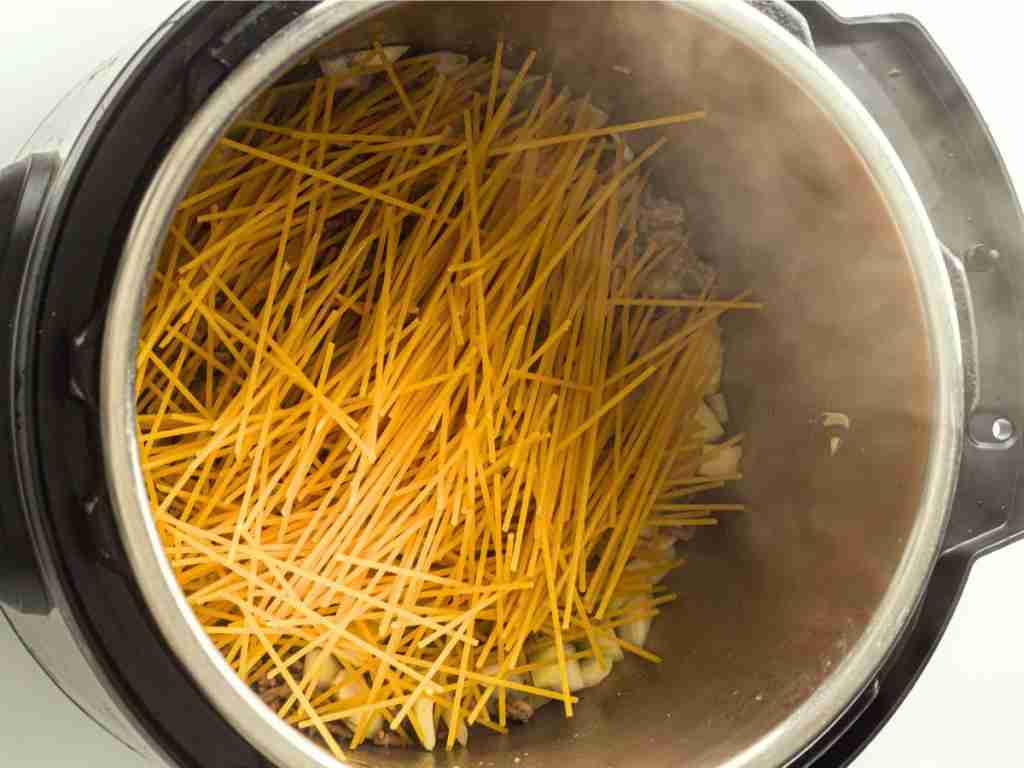
What is the Instant Pot cooking process from start to finish?
Step 1: Get Everything Ready
- Place the inner pot into the Instant Pot base (always double-check it's there!).
- Add your ingredients-meat, veggies, seasonings, and liquid.
- Remember: every recipe needs at least the minimum liquid for your pot size (usually 1-2 cups of water or broth).
Step 2: Secure the Lid
- Place the lid on and turn it until it locks into place.
- Make sure the pressure valve on top is set to "Sealing."
Step 3: Choose a Cooking Program
- Press the button for your recipe (like "Pressure Cook," "Rice," or "Soup").
- Adjust the cooking time using the "+" or "-" buttons.
- The display will show "On" as the pot starts heating up.
Step 4: Building Pressure
- The Instant Pot needs a few minutes to build pressure before the timer starts.
- You'll see steam, and then the float valve (a little metal pin) will rise.
- Once pressure is reached, the timer begins counting down.
Step 5: Cooking Under Pressure
- While it cooks, the pot is completely sealed-no stirring, no babysitting.
- You're free to help kids, fold laundry, or just relax for a few minutes.
Step 6: Release the Pressure
When cooking time is done, you have two choices:
- Natural Release: Let the pressure come down on its own. Best for meats, soups, and foods that benefit from gentle cooling.
- Quick Release: Turn the pressure valve to "Venting" (use a spoon handle or mitt to avoid the steam!). Best for veggies, pasta, and delicate foods.
Step 7: Dinner's Ready!
- Once the pressure is fully released, the float valve drops down.
- Unlock and remove the lid, being careful of any remaining steam.
- Stir, taste, and serve your meal-directly from the pot if you like!
That's it-just seven simple steps. Once you've done it a few times, it'll be like second nature.
What's the best way to clean an Instant Pot?
Cleaning your Instant Pot is easier than it looks because most parts come apart for washing. Here's how to do it:
- Unplug and cool completely - Always wait until it's cool before cleaning.
- Remove the inner pot - The stainless steel insert is dishwasher safe, or you can hand wash with warm soapy water.
- Wash the lid - Take off the sealing ring and the small anti-block shield (the little metal piece under the lid) and wash them with warm, soapy water. Let everything dry fully before reassembling.
- Clean the sealing ring - Wash it often to prevent odors. If the smell lingers, keep a spare "sweet" ring for things like oatmeal or desserts, and a "savory" ring for dinners.
- Wipe the heating base - Never put the main unit in water. Just wipe the outside and inside rim with a damp cloth.
- Check the steam release valve - Make sure it's clear of food bits or buildup. A quick rinse does the trick.
- Deep clean occasionally - For stubborn stains inside the stainless pot, use a little vinegar and water to remove spots.
With just a few minutes of care after each use, your Instant Pot will be ready to go for your next meal.
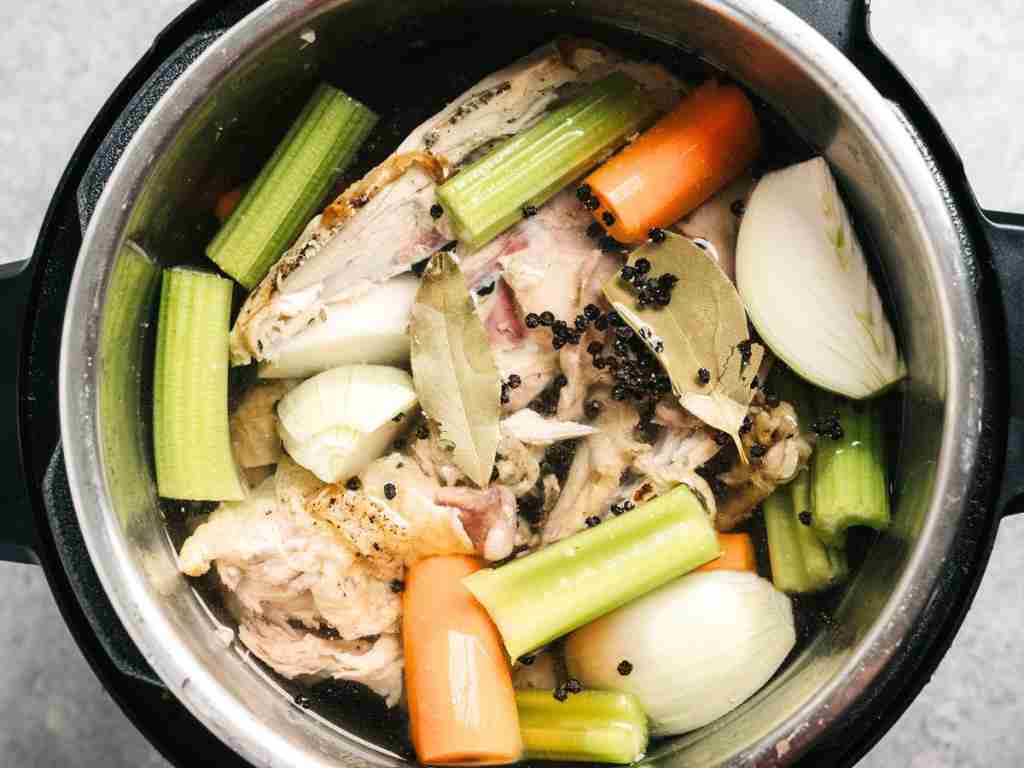
Final Thoughts on Instant Pot 101
In my own personal experience, the Instant Pot truly lives up to its reputation as a busy mom's best friend in the kitchen. From quick weeknight meals and freezer-friendly batch cooking to simple cleanup and dependable results, it takes so much stress out of mealtime.
With the ability to pressure cook, slow cook, steam, and more, it's like having several appliances in one. Sure, there's a learning curve, but once you get the hang of it, you'll wonder how you ever lived without it.
Whether you're feeding a crowd, prepping ahead for the week, or just trying to get dinner on the table fast, the Instant Pot can help make family meals easier, healthier, and a whole lot more enjoyable.
When you combine smart tools like this with a clear step-by-step meal planning system for beginners, weeknights feel manageable again.
You've got this, friend-and dinner's going to be great!
If you liked this post, you may also like Freezer Meal Planning Made Easy for Busy Moms.
Grab your Free Printable Weekly Dinner Plan Below
Ready to get started? Simplify your weekly mealtime routine with this Weekly Dinner Plan for Busy Moms! It's designed to help you easily plan out a week of meals in less than 30 minutes.
Here's whats included:
✅ 5-Step Weekly Dinner Plan
✅ 200+ Meal Ideas
✅ Grocery List & Dinner Plan Template
✅ Simple Meal Prep Tips
✅ Flexible - for Real Life
Just fill in the form below to get your freebie!

More Meal Planning for Busy Moms
- The Busy Mom’s Weekly Meal Planning Routine (Simple Step-by-Step System)
- How Busy Moms Save $200+ a Month on Groceries Without Clipping Coupons
- Freezer Meals for Beginners: A Simple Guide to Make-Ahead Dinners, Safety Tips, and Storage Basics
- 7-Day Extreme Budget Meal Plan: Cheap and Easy Dinners for Tight Weeks