7-Day Extreme Budget Meal Plan: Cheap and Easy Dinners for Tight Weeks

Disclosure: This post may include affiliate links. As an affiliate, I earn from qualifying purchases. See our Affiliate Disclosure.
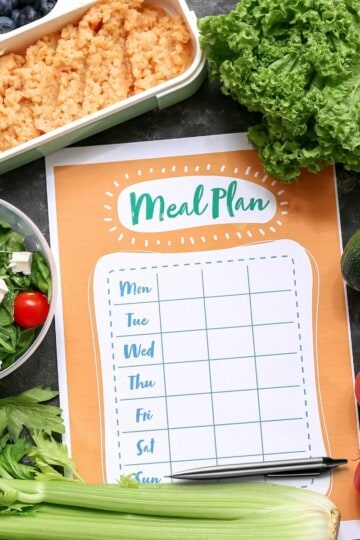
Hey there, friend! When money's tight, dinner doesn't have to be a source of stress. This 7-day extreme budget meal plan shows you exactly how to feed your family well without overspending. I'll share the practical strategies, realistic meals, and mindset shifts that helped us stick to a $100 weekly grocery budget during our toughest financial seasons. Whether you're navigating a temporary cash crunch or aiming to stretch your food dollars further, this guide will give you the tools to make every dollar count at the grocery store. If you need simple ideas to plug into your plan, these easy weeknight dinners for busy moms can help you build cheap, realistic meals faster. Many families make this easier by following a simple weekly meal planning routine that helps them plan dinners before the week begins.

Jump to:
- The Reality Check: Why We Overspend on Groceries
- The $100/Week Framework: Setting Realistic Expectations
- Step 1: Take Inventory Like a Pro
- Step 2: Master the Art of the Budget-Friendly Meal Plan
- Step 3: Shop with Strategic Precision
- The $25 Protein Strategy: Getting Creative with Meat and Alternatives
- Produce Puzzle: Eating Healthy Without Breaking the Bank
- The Pantry Principle: Strategic Staples
- Budget-Friendly Meal Formulas: No Recipe Required
- Budget-Friendly Batch Cooking: Make Once, Eat Twice (or More)
- Real-Life Example: A Week of $100 Meals for a Family of Four
- When the Cupboard Is Really Bare: Ultra-Budget Emergency Meals
- Common Challenges and Solutions
- Beyond the Grocery Store: Additional Ways to Save
- Mindset Matters: Abundance vs. Scarcity
- Getting Started: Your First $100 Week
- Final Thoughts: Beyond the Budget
- Frequently Asked Questions
- Grab your Free Printable Weekly Dinner Plan Below
The Reality Check: Why We Overspend on Groceries
Before diving into the how-tos, let's talk about why so many of us struggle to keep grocery costs down. Understanding these patterns is the first step to changing them:
- Lack of planning: Last-minute meal decisions almost always cost more
- Brand loyalty: Sticking strictly to brands can increase your grocery bill by 20-30%
- Shopping while hungry or stressed: This leads to impulse purchases and comfort food splurges
- Falling for marketing tricks: Those "10 for $10" deals aren't always savings
- Convenience foods: Pre-chopped, pre-cooked, and individually packaged foods come with a hefty convenience tax
- Food waste: The average American family throws away about 25% of the food they buy-that's like tossing $25 of every $100 directly into the trash!
Learning how to save money on groceries starts with reducing waste and shopping with a plan.
For me, the biggest problem was last-minute grocery trips. I'd duck into the store for "just one thing" and emerge $50 poorer with bags of items we didn't truly need. Sound familiar?
The good news is that all of these pitfalls have practical solutions. Budget meal planning addresses each one head-on. If you're new to planning, start with this step-by-step beginner's guide to meal planning so you can build a system that actually sticks.
The $100/Week Framework: Setting Realistic Expectations
Let's be clear-feeding a family for under $100 a week requires some major adjustments if you're used to spending more. But it doesn't mean boring, nutritionally lacking meals or spending hours cutting coupons. Here's what to expect:
- You'll cook more from scratch (but I'll show you shortcuts)
- You'll eat less meat or choose different cuts
- You'll waste virtually nothing
- You'll be more intentional about treats and convenience foods
- You'll develop a strategy for staples and sales
Our weekly grocery budget breakdown looks something like this:
- Produce: $25-30
- Proteins: $25-30
- Dairy: $10-15
- Grains/Staples: $10-15
- Extras/Treats: $10-15
This distribution ensures we eat balanced meals while leaving room for the occasional treat. Your breakdown might look different based on your family's needs and preferences, but having categories helps control spending.
Keep in mind that the $100 budget works for a family of four in a moderate to low cost-of-living area. You may need to adjust slightly based on your family size, location, and dietary needs-but the principles remain the same.
Step 1: Take Inventory Like a Pro
Budget meal planning starts in your own kitchen. Before planning anything:
- Clean and organize your pantry, refrigerator, and freezer
- Group similar items together
- Move older items to the front
- Note expiration dates
- Create a detailed inventory list
- List all proteins (meats, beans, etc.)
- Count produce items
- Note partial packages (half a box of pasta, etc.)
This also works really well as part of a simple meal prep system for busy moms when you're trying to stay ahead during tight weeks.
- Identify "use it or lose it" items
- What's close to expiration?
- What forgotten treasures did you discover?
When I started taking inventory, I discovered we had three half-used bags of rice, multiple cans of diced tomatoes, and frozen chicken breasts I'd completely forgotten about. That first week, I barely needed to shop at all!
Pro tip: Take a quick photo of your fridge and pantry before shopping. When you're at the store wondering if you have butter or bread, you'll have the answer at your fingertips.
Step 2: Master the Art of the Budget-Friendly Meal Plan
With inventory in hand, it's time to create your meal plan. Budget meal planning requires a slightly different approach. If your schedule changes a lot, this guide to flexible meal planning for busy moms can help you stay organized without being rigid.
Start with what you have
Plan 2-3 meals based entirely on ingredients you already own. I call these "free meals" since they require no additional shopping.
Plan around sales and seasons
Check grocery store flyers (most are available online) and plan meals around what's on sale that week, especially proteins and produce.
Embrace strategic repetition
Use ingredients in multiple meals to minimize waste and maximize value:
- Monday's roast chicken becomes Wednesday's chicken soup
- Half a cabbage for slaw, the other half for stir-fry
- Cook a big batch of beans for both taco night and bean soup
Focus on filling, nutritious foods
Plan meals with staying power that combine:
- Protein (meat, beans, eggs)
- Complex carbs (whole grains, starchy vegetables)
- Fiber-rich vegetables or fruits
- Some healthy fat
Create a "Use-It-All-Up" meal each week
Designate one meal (usually toward the end of the week) as a "clean out the fridge" meal. Soups, stir-fries, frittatas, and pasta dishes are perfect for incorporating leftovers and odd amounts of produce.
For my family, a weekly plan often looks like this:
Monday: Bean and vegetable soup with homemade bread (using pantry items)
Tuesday: Sheet pan chicken thighs with roasted vegetables (sales item + produce drawer clean-out)
Wednesday: Stretched chicken fried rice (using leftover chicken + frozen vegetables)
Thursday: Bean and cheese burritos with homemade salsa (budget protein night)
Friday: Homemade pizza with whatever toppings need using up (weekly clean-out meal)
Saturday: Pasta with garden vegetables and a small amount of ground turkey (sale item stretched)
Sunday: Big batch of oatmeal breakfast muffins + prep for the week ahead
*Notice that meat is a component rather than the star in most meals, and nothing goes to waste!
Step 3: Shop with Strategic Precision
With your plan in hand, shopping becomes a focused mission rather than an aimless wander. Here's how to shop when every dollar counts:
Before you go
- Make a detailed list organized by store section
- Be specific with quantities
- Note price limits for flexible items ("Apples - max $3")
- Eat before shopping
- Shopping hungry increases spending by up to 15%
- Decide which store(s) to visit
- Compare prices on staples at local stores
- Consider whether multiple stops are worth the time and gas
- Check your budget
- Bring cash if it helps you stick to your limit
- Have a calculator handy (or use your phone)
At the store
- Shop the perimeter first
- Start with produce and proteins-the foundation of your meals
- Save center aisles (more processed foods) for last when your cart is already filling up
- Compare unit prices, not package prices
- The larger container isn't always cheaper per ounce
- Store brands are typically 20-30% less than name brands for nearly identical products
- Look high and low-literally
- More expensive items are usually at eye level
- Less expensive options are often on top or bottom shelves
- Buy produce strategically
- Choose a mix of "use now" and longer-lasting items
- Consider frozen vegetables for the end of the week
- Be flexible
- If you planned for broccoli but cauliflower is on sale, make the switch
- Have backup protein options in mind
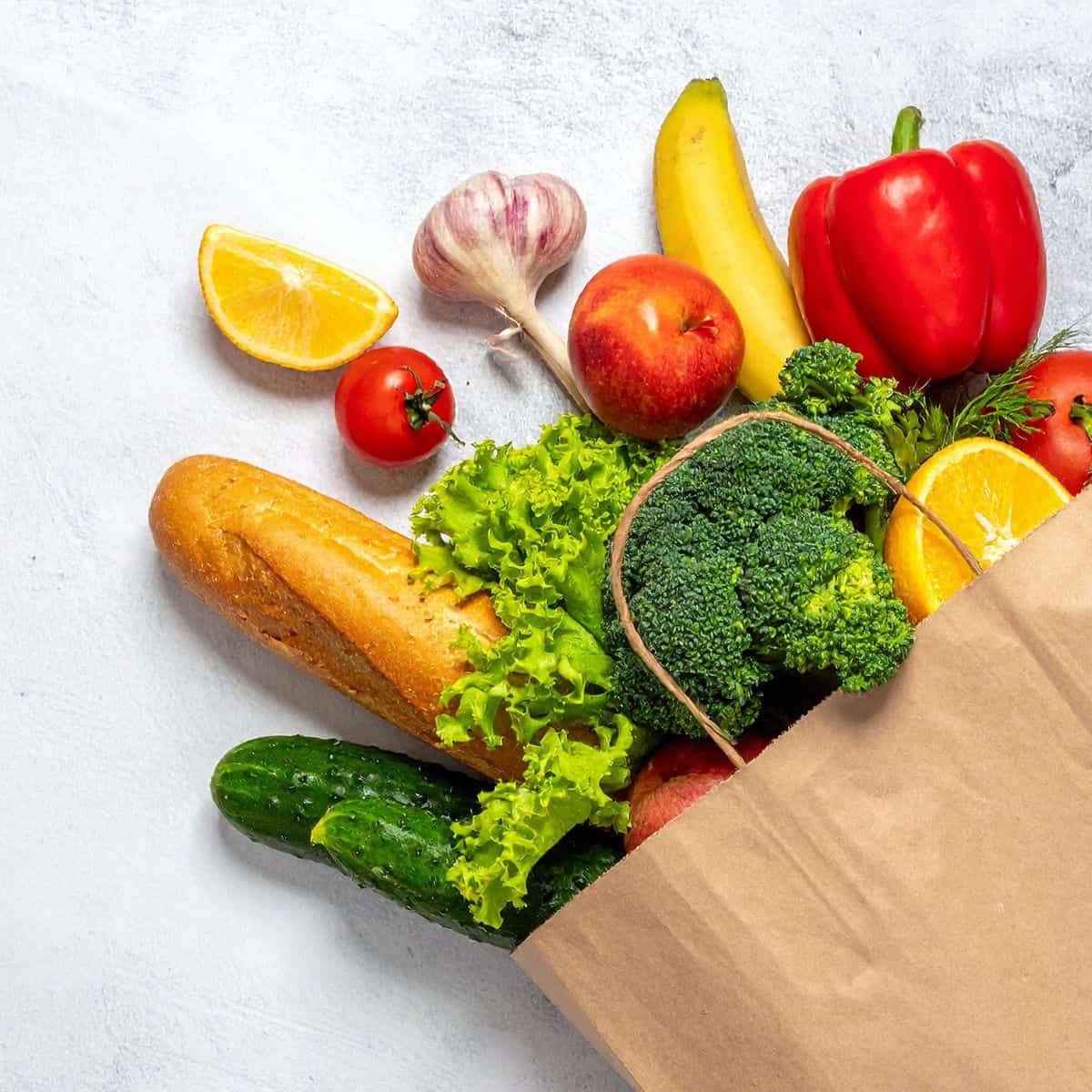
One thing that really helped me was learning to shop for what I call 'backbone ingredients'-simple foods you can use in lots of meals. We always grab things like onions, carrots, eggs, rice, and canned tomatoes because they're cheap and super flexible.
The $25 Protein Strategy: Getting Creative with Meat and Alternatives
Protein is usually the most expensive part of the grocery bill, but with some creativity, you can cut costs without sacrificing nutrition:
Stretch animal proteins
- Use half the called-for amount of meat and add beans or vegetables
- Slice meat thinly for stir-fries where it goes further
- Use ground meat in dishes where a little provides a lot of flavor
- Save bones for stock and use meat drippings to add flavor to other dishes
Embrace plant-based proteins
- Beans and lentils (dried are cheapest but canned work too)
- Eggs (still one of the most affordable complete proteins)
- Tofu (much cheaper than meat per serving)
- Peanut butter (or other nut butters)
Choose budget-friendly animal proteins
- Chicken thighs instead of breasts (more flavor, less money)
- Ground turkey instead of beef
- Whole chickens instead of parts (and use every bit!)
- Less expensive cuts that shine with slow cooking (chuck roast, pork shoulder)
Buy in bulk when prices drop
- Stock up when there's a great sale
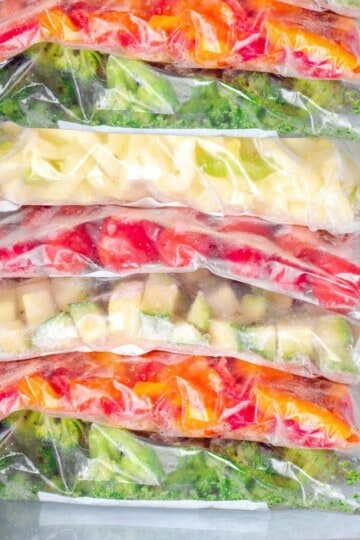
- Portion and freeze immediately in meal-sized packages. If you're just getting started with freezer cooking, this simple freezer meals guide walks you through safety and storage basics.
- Label clearly with contents and date
In general, a family of four can budget about $25-30 per week for all proteins. A typical protein plan might include:
- A whole chicken ($8-10)
- A pound of ground turkey ($3-4)
- A dozen eggs ($2-3)
- Two cans or one pound of dried beans ($2-3)
- Block of tofu ($2)
- Peanut butter for lunches ($3-4)
This provides enough protein for all dinners plus breakfast and lunch protein needs.
PRO TIP: If it fits your budget and storage space, consider splitting bulk meat purchases with family or neighbors to lower the cost per pound. Some families call this a farm-to-freezer approach to meal planning. This is where you have to weigh the pros and cons and decide if this is doable for your family. CONS: Upfront Cost, Freezer Space to store large quantities, and Planning (planning for processing times and deciding on cuts in advance). PROS: Cheaper overall (Eliminates middlemen, Bulk price savings, and Long-term value).
Produce Puzzle: Eating Healthy Without Breaking the Bank
Fresh fruits and vegetables don't have to bust your budget. Here's how we keep our produce spending to about $25-30 weekly while still eating plenty of healthy options:
Buy what's in season
- Seasonal produce can be 30-50% cheaper than out-of-season items
- In-season fruits and vegetables taste better too!
- Learn your area's growing seasons (a quick internet search provides this info)
Know when to choose frozen
- Frozen vegetables and fruits are picked at peak ripeness and flash-frozen
- They're often more nutritious than out-of-season "fresh" options that traveled thousands of miles
- Keep frozen peas, corn, mixed vegetables, and berries on hand
Be strategic with fresh choices
- Buy a mix of "eat soon" produce (berries, leafy greens) and hardier options (carrots, cabbage, apples) that last all week
- Choose whole vegetables rather than pre-cut (you pay a premium for convenience)
Consider growing your own
- Even apartment dwellers can grow herbs in a window
- A small container garden can produce salad greens for months
- Community gardens offer plots in many areas
Reduce waste with proper storage
- Learn which fruits and vegetables should be refrigerated and which shouldn't
- Use produce drawers correctly (they control humidity!)
- Store herbs with stems in water like flowers
A typical $25-30 produce haul for us might include:
- Bag of apples ($3-4)
- Bunch of bananas ($1-2)
- Two heads of lettuce or greens ($3-4)
- Carrots ($1-2)
- Celery ($1-2)
- Onions ($2)
- Potatoes ($2-3)
- Seasonal vegetable 1 (whatever's on sale) ($2-3)
- Seasonal vegetable 2 (whatever's on sale) ($2-3)
- Seasonal fruit (whatever's on sale) ($3-4)
- Frozen vegetables ($2-3)
This provides enough for side dishes, lunch salads, and vegetable components in main dishes.
PRO TIP: Definitely consider growing your own produce. As a small child I have fond memories of helping my parents plant seeds, fertilize, and water our backyard garden. We would plant different things for different seasons. And, we canned a lot of vegetables, soups, pickles, and jams so we could eat well even throughout the winter. Additionally, we use hydroponics for fresh produce year-round in small spaces (like a kitchen or garage).
The Pantry Principle: Strategic Staples
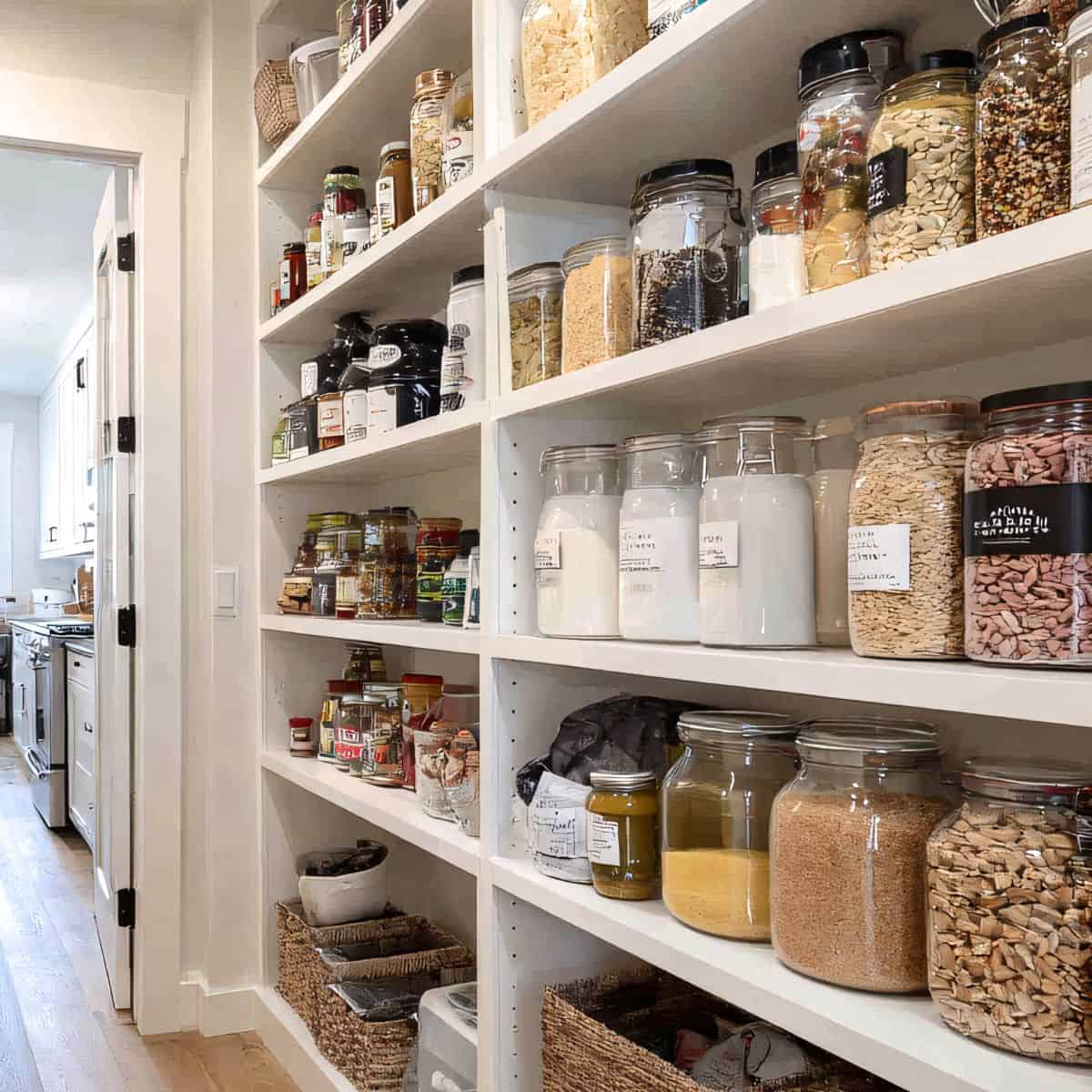
A well-stocked pantry allows you to create meals with minimal shopping. The key is building it strategically over time:
Invest in true pantry staples
These are items that:
- Have a long shelf life
- Can be used in multiple ways
- Give you significant nutritional or flavor value for the cost
My non-negotiable pantry staples include:
- Rice (brown and white)
- Pasta (various shapes)
- Dried and canned beans
- Canned tomatoes
- Flour
- Sugar
- Cooking oils (olive and vegetable)
- Basic spices (salt, pepper, garlic powder, Italian herbs, cumin, chili powder)
Build your pantry gradually
- Add 1-2 pantry items to your weekly shopping when they're on sale
- Focus on versatile ingredients first
- Wait for sales on more expensive items
Store properly for maximum shelf life
- Use airtight containers
- Label with purchase date
- Rotate stock (oldest in front)
- Keep in cool, dark places when possible
Learn substitutions
When you're cooking on a tight budget, knowing what can substitute for what becomes crucial:
- No buttermilk? Use milk with a tablespoon of lemon juice or vinegar
- No breadcrumbs? Crush crackers or toast and crumble bread
- No fresh herbs? Use one-third the amount of dried
A well-stocked pantry means you can often "shop at home" instead of making extra store trips that inevitably lead to extra spending.
Budget-Friendly Meal Formulas: No Recipe Required
Some of the most economical meals don't require specific recipes but follow simple formulas. Master these, and you'll always have budget-friendly options:
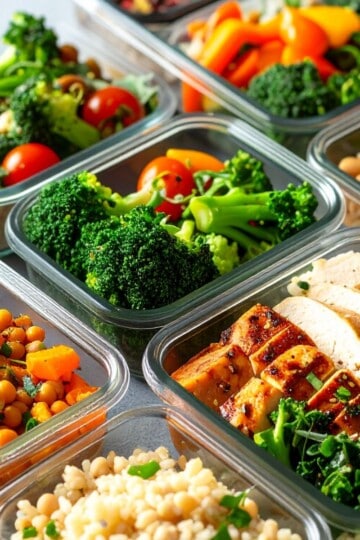
Grain + Vegetable + Protein Bowl
Base: Rice, quinoa, barley, or other grain (about 25¢ per serving) Vegetables: Whatever needs using up, roasted or raw (50-75¢) Protein: Beans, egg, small portion of meat, or tofu (50¢-$1) Flavor boost: Simple sauce or seasoning (25¢) Total per serving: $1.50-$2.25
Hearty Soup or Stew
Base: Homemade stock or water with bouillon (nearly free) Vegetables: Onions, carrots, celery plus seasonal additions (75¢) Protein: Beans, lentils, or small amount of meat ($1) Filler: Pasta, rice, or potatoes (25¢) Served with: Homemade bread (50¢) Total per serving: $1.50-$2.50
Breakfast for Dinner
Protein: Eggs (2 per person = about 50¢) Grain: Homemade pancakes or toast (25¢) Fruit: Whatever's seasonal (50¢) Extra: Small serving of breakfast meat if on sale (optional) (50¢) Total per serving: $1.25-$1.75
Stretched Stir Fry
Protein: Small amount of thinly sliced meat or tofu (75¢) Vegetables: Whatever needs using (75¢) Filler: Rice or noodles (25¢) Flavor: Simple sauce of soy sauce, garlic, etc. (25¢) Total per serving: $2.00. Quick dinners like Instant Pot chicken and rice are another great option when you need a filling family meal without spending a lot. Another inexpensive comfort meal to keep in your rotation is Instant Pot spaghetti, especially when pasta and jarred sauce are on sale.
Bean-Based Meals
Base: Beans (canned or cooked from dried) (25-50¢) Format: Tacos, burritos, soup, or over rice (50¢) Toppings: Cheese, homemade salsa, lettuce (75¢) Total per serving: $1.50-$1.75
Once you master these formulas, you can adapt them endlessly based on what you have and what's on sale. No fancy recipes required!
Budget-Friendly Batch Cooking: Make Once, Eat Twice (or More)
One of the best ways to stretch your budget is cooking in batches. Here's how to make it work:
Choose the right recipes for batch cooking
Look for recipes that:
- Freeze well
- Actually save money when made in larger quantities
- Your family enjoys enough to eat multiple times
- Serve multiple purposes
Good choices include:
- Marinara sauce (use for pasta, pizza, soups)
- Cooked beans (tacos, soups, salads)
- Baked chicken (meals, sandwiches, salads)
- Soup bases (add different proteins and vegetables for variety)
Recipes like Instant Pot chili are perfect for batch cooking because they reheat well and stretch across multiple meals.
Implement batch cooking gradually
Start with just one batch item per week:
- Chop extra onions and freeze for quick meal starts
- Cook double the rice or beans needed and refrigerate the rest
- Make a big pot of soup and freeze half
Package strategically
- Freeze in meal-sized portions, not large batches
- Label clearly with contents AND date
- Use containers that can go from freezer to microwave or oven
Use your freezer wisely
- Keep an inventory list to avoid "freezer amnesia"
- Follow FIFO (first in, first out)
- Use frozen items within 3 months for best quality
My Sunday afternoon routine includes preparing at least one item in a large batch. This might be cooking a pot of beans, roasting two chickens instead of one, or preparing a double batch of spaghetti sauce. This small habit saves both money and time during the week. If batch cooking feels overwhelming, this beginner-friendly meal prep guide breaks it down step-by-step.
Real-Life Example: A Week of $100 Meals for a Family of Four
Let's put everything together with a realistic weekly plan and shopping list:
The Meal Plan:
Monday: Bean and vegetable soup with homemade rolls
Tuesday: Whole roasted chicken with roasted potatoes and carrots
Wednesday: Chicken fried rice with eggs and vegetables
Thursday: Bean and cheese burritos with homemade salsa
Friday: Pasta with marinara and small amount of ground turkey
Saturday: Turkey sandwiches, pasta salad, and grapes
Sunday: Pancakes, fruit, and eggs (breakfast for dinner)
Breakfast options: Oatmeal, toast with peanut butter, eggs
Lunch options: Leftovers, sandwiches, salads with beans or eggs
The Shopping List:
Produce ($28):
- Bag of apples ($4)
- Bunch of bananas ($2)
- Head of lettuce ($2)
- Carrots ($2)
- Celery ($2)
- Onions ($2)
- Bell peppers (2) ($3)
- Potatoes (5 lb bag) ($4)
- Seasonal fruit on sale ($4)
- Garlic bulb ($1)
- Frozen mixed vegetables ($2)
Protein ($28):
- Whole chicken ($10)
- Ground turkey (1 lb) ($4)
- Eggs (18-count) ($4)
- Dried beans (2 lb) ($3)
- Block of cheese ($4)
- Peanut butter ($3)
Dairy ($12):
- Milk (gallon) ($3)
- Yogurt ($3)
- Butter ($4)
- Sour cream ($2)
Grains/Staples ($20):
- Bread ($3)
- Rice ($2)
- Pasta (2 packages) ($2)
- Flour ($3)
- Tortillas ($3)
- Oatmeal ($3)
- Canned tomatoes (2) ($2)
- Salsa ingredients ($2)
Extras ($12):
- Coffee ($6)
- Snack item on sale ($3)
- Small treat ($3)
TOTAL: $100
This plan provides three balanced meals a day for four people for one week. It includes variety, fresh produce, and even some treats-all while staying within the $100 budget.
When the Cupboard Is Really Bare: Ultra-Budget Emergency Meals
Sometimes you're at the very end of your budget with days left in the month. For those times, these ultra-budget meals can help you stretch those last few dollars:
Beans and Rice ($0.50/serving)
- 1 cup rice
- 1 can beans (or 1 cup cooked dried beans)
- Seasonings you have on hand
- Any vegetables that need using up
Potato Bar ($0.75/serving)
- Baked potatoes (about 25¢ each)
- Small amount of cheese
- Any leftover vegetables or proteins
- Plain yogurt or sour cream if available
Simple sides like air fryer sweet potato fries can also help stretch a meal when you need something inexpensive and filling.
Pasta with Butter and Cheese ($0.50/serving)
- Pasta from the pantry
- Small amount of butter
- Sprinkle of cheese
- Garlic powder or other seasonings
Egg Fried Rice ($0.75/serving)
- Leftover rice
- 1-2 eggs
- Any vegetables that need using
- Soy sauce if you have it
Oatmeal Bar ($0.40/serving)
- Cooked oatmeal
- Small amount of sugar or honey
- Any fruit getting too ripe
- Sprinkle of cinnamon
Keep ingredients for 2-3 of these emergency meals in your pantry at all times. They've saved us during more than one tight week!
Common Challenges and Solutions
#1 Challenge: "My family complains about budget meals."
Solution: Involve them in planning and preparation. Let each family member choose one dinner per week (within budget constraints). Focus on familiar favorites made more economically rather than introducing too many new budget recipes at once.
#2 Challenge: "We get bored eating the same things."
Solution: Create variety through seasoning rather than expensive ingredients. The same chicken can become Italian (with oregano and tomatoes), Mexican (with cumin and chili powder), or Asian (with soy sauce and ginger). Build a small but diverse spice collection-it's worth the investment.
#3 Challenge: "I don't have time to cook from scratch."
Solution: Start small with just 1-2 homemade items per week. Focus on high-impact switches like making your own beans instead of buying canned, or cooking a whole chicken instead of buying parts. Use weekends for prep, and invest in a slow cooker or pressure cooker if possible.
#4 Challenge: "Fresh produce spoils before we use it."
Solution: Buy a mix of hardy produce (carrots, cabbage, apples) and more perishable items. Plan to use delicate produce early in the week. Learn proper storage techniques. Many fruits and vegetables last longer outside the refrigerator.
#5 Challenge: "My kids only want expensive packaged snacks."
Solution: Make simple swaps gradually-portion out crackers into reusable containers instead of buying single-serve packages. Try homemade versions of favorites (like popcorn instead of chips). Involve kids in preparing simple snacks like trail mix or cut vegetables with dip.
Beyond the Grocery Store: Additional Ways to Save
Food assistance programs
If you're struggling, don't hesitate to use resources like:
- SNAP benefits (formerly food stamps)
- WIC for families with young children
- Local food pantries
- School meal programs
These programs exist to help families through tough times. And, there's no shame in using them when needed.
Community resources
- Community gardens
- Produce exchanges
- Bulk buying groups
- Gleaning programs (collecting excess produce from farms)
Grow your own
Even with limited space, you can grow:
- Herbs in windowsills
- Lettuce and greens in containers
- Tomatoes and peppers in pots
- Sprouts in jars (ready in days with no garden needed!)
Build relationships with local sources
- Farmers' markets (especially at closing time)
- Local farmers (who may sell "seconds" at reduced prices)
- Ethnic grocery stores (often have better prices on produce and bulk items)
Reduce waste creatively
- Save vegetable scraps for stock
- Freeze fruit about to go bad for smoothies
- Turn stale bread into croutons or bread pudding
- Learn to preserve through freezing, canning, or dehydrating
Our family reduces waste by having a weekly "Clear the Fridge" night before shopping day. Everything that needs using appears on the table, and we create plates from the options. It's like a home buffet, and the kids actually look forward to the variety! These same strategies are exactly how you can cut your grocery bill by $200 without clipping coupons.
Mindset Matters: Abundance vs. Scarcity
Perhaps the most important aspect of budget meal planning is approaching it with the right mindset:
Focus on what you can have, not what you can't
Instead of thinking "We can't afford steak," reframe it to "We can make delicious, healthy meals with these ingredients."
See creativity as an opportunity, not a burden
Budget constraints can spark creativity! Some of our family's favorite recipes came from "what do we have?" moments.
Celebrate small wins
Did you stay under budget? Did you use up all the produce before it spoiled? Did you make a new budget-friendly recipe everyone liked? Celebrate these victories!
Remember your why
Whether you're saving for a larger goal, managing through a tight financial time, or simply being a good steward of resources, keep your purpose in mind.
When we started our budget journey, I felt deprived and resentful at first. The turning point came when I shifted from seeing our $100 budget as a restriction to viewing it as a creative challenge. That mental shift made all the difference.

Getting Started: Your First $100 Week
Ready to try a $100 week? Here's your action plan:
1. Do a complete kitchen inventory. What do you already have? What needs to be used soon?
2. Plan 7 dinners based on what you have and what's on sale. Include at least 2 meatless meals. Plan for leftovers
3. Make a detailed shopping list with estimated costs. Be specific about quantities. Note price limits
4. Shop with focus. Stick to your list; Compare unit prices; Be willing to substitute when you find better deals
5. Track what works and what doesn't. Which meals did your family enjoy? What was actually quick and easy to prepare? Where did you have leftover ingredients?
6. Adjust for the next week. Build on successful meals; Plan to use any leftover ingredients; Refine your shopping strategy
Remember, the first week is the hardest! Each week gets easier as you learn what works for your family.
Final Thoughts: Beyond the Budget
While this post focuses on the $100 weekly budget, the strategies here work at any budget level. The principles of planning, reducing waste, cooking from scratch, and making intentional choices always pay dividends-both financial and otherwise.
For our family, what started as a financial necessity became a way of life that we've continued even as our financial situation improved. We've found that intentional food spending allows us to direct resources to other priorities while actually eating better than we did when spending much more.
Beyond the financial benefits, we've gained:
- More family time around the table with home-cooked meals
- Children who understand food values and cooking skills
- Less environmental impact through reduced packaging and waste
- Greater appreciation for simple, wholesome foods
- The satisfaction of making the most of what we have
Whether you need to stick to a strict $100 budget or simply want to be more intentional with your grocery spending, I hope these strategies help you feed your family well without breaking the bank. For warmer months, this simple summer meal plan can help you keep dinners easy and affordable. Remember, every dollar saved in the grocery cart is a dollar that can serve your family in other ways!
Frequently Asked Questions
Absolutely! In fact, many highly processed foods actually cost more per serving than their whole-food counterparts. The key is focusing on simple, versatile ingredients like beans, rice, eggs, and seasonal produce.
Yes, but you may need to adjust your strategy. For gluten-free families, focus on naturally gluten-free foods like rice and potatoes rather than specialty products. For dairy-free, prioritize other calcium sources like beans and greens. You might need to allocate slightly more budget to certain categories, but the planning principles remain the same.
Planning around what we already had instead of what we wanted in the moment. This simple shift reduced our food waste dramatically and stopped the cycle of buying similar ingredients repeatedly while others spoiled.
We save a small amount each week toward holiday meals and special occasions. Just $5 per week adds up to enough for holiday splurges. We also focus celebrations on 1-2 special items rather than an entirely elaborate meal.
There is some front-end investment in planning and preparation, but it actually saves time overall by eliminating multiple store trips and daily decision fatigue. Start with just 30 minutes of planning per week, and you'll likely find it saves you hours of stress and shopping time.
When money is tight, you don't have room for wasted groceries or last-minute takeout.
The easiest way to stay on budget is to decide your dinners before the week begins.
That's exactly why I created Dinner Done in 30 Minutes - a simple weekly dinner plan that helps busy moms plan once and stop stressing all week.
Grab it below and make your next grocery trip intentional instead of impulsive.
Grab your Free Printable Weekly Dinner Plan Below
Ready to get started? Simplify your weekly mealtime routine with this Weekly Dinner Plan for Busy Moms! It's designed to help you easily plan out a week of meals in less than 30 minutes.
Here's whats included:
✅ 5-Step Weekly Dinner Plan
✅ 200+ Meal Ideas
✅ Grocery List & Dinner Plan Template
✅ Simple Meal Prep Tips
✅ Flexible - for Real Life
Just fill in the form below to get your freebie!